Ear Injuries and Disease in cats
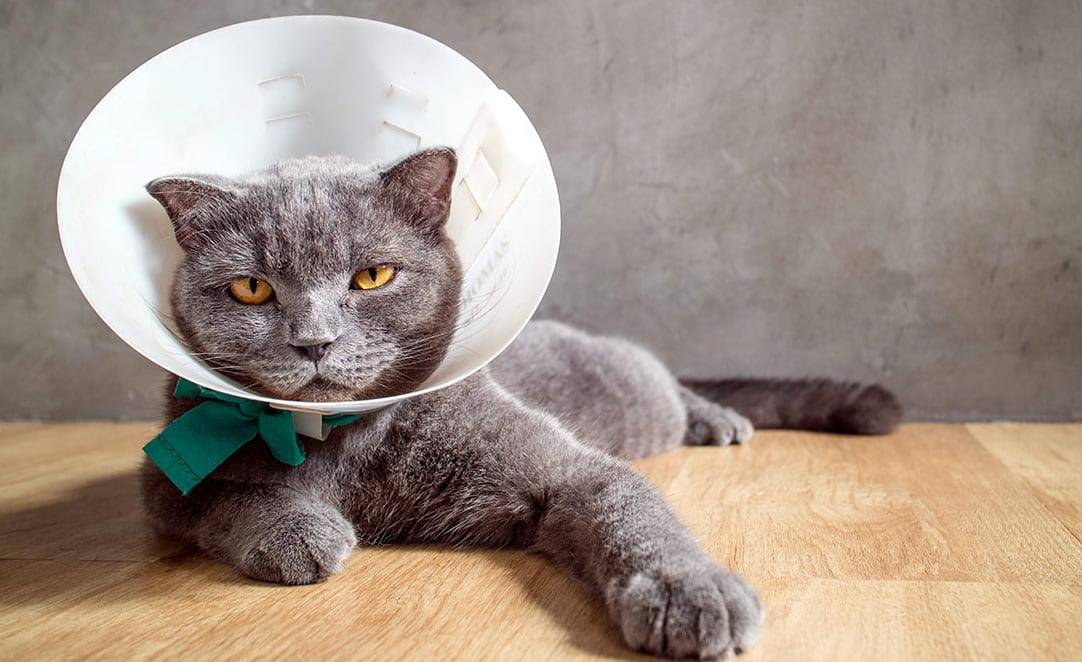
Ear trouble is one of the more common reasons a cat ends up at the vet, and it usually announces itself in small ways: a head shake, a scratch at one ear, a dark smear left on the bedding. The good news is that most cases start in the outer ear canal, where they are straightforward to treat once the cause is known. The catch is that the same signs at home can point to very different problems, some of them affecting balance, hearing, or the nerves that move the face. The safest way to read ear symptoms is as a clue, not a diagnosis. Check for the common patterns, know what needs urgent care, and let your vet confirm the cause before anything goes into the ear canal.1, 2
What is usually behind cat ear problems
Feline ear disease sits in one of three places, and the depth tells you a lot about how serious it is. Problems can affect the ear flap (pinna), the external ear canal (otitis externa), or the middle and inner ear (otitis media and interna). The deeper the problem, the more likely you are to see a head tilt, wobbliness, or facial nerve signs.1, 2
Common causes
- Parasites, especially ear mites: a frequent cause of itchy ears and dark, crumbly debris, particularly in younger cats or multi-pet homes.3, 4
- Secondary bacterial or yeast overgrowth: often builds on top of another trigger such as mites, allergies, foreign material, or chronic inflammation.1
- Allergies or skin disease: can inflame the pinnae and ear canal and make secondary infections more likely.5
- Foreign material and wax build-up: grass seeds and debris can irritate the canal, and thick discharge can block it and trap infection.1
- Trauma: scratches, bites, or rough play can split the ear flap or set up an infection.
- Polyps or masses: less common, but important, especially with long-running, one-sided discharge or recurring infections.2
Symptoms you can spot at home
Ear discomfort in cats is often quiet at first. Many cats simply become a little one-sided: they hold the head differently, keep one ear flattened, or avoid being touched around the face.
Typical signs of outer ear irritation or infection
- Head shaking or frequent ear scratching
- Redness or swelling in or around the ear opening
- Smell from the ear
- Discharge, whether waxy, wet, or thick debris
- Soreness when the ear is handled1
Signs that can suggest middle or inner ear involvement (more urgent)
- Head tilt that persists, or leaning and falling to one side
- Loss of balance, trouble jumping, or an unsteady walk
- Abnormal flicking eye movements (nystagmus)
- Facial nerve signs on one side, such as a droopy lip or eyelid and reduced blink, or signs consistent with Horner's syndrome
- Marked pain, or pain when opening the mouth2, 6
When to see a vet, and when it cannot wait
Any new ear discharge, strong smell, swelling, or repeated head shaking is reason to book a vet visit soon. Cats rarely grow out of ear disease, and early treatment is usually simpler.
Seek urgent care if you notice head tilt, wobbliness, rapid eye flicking, facial weakness, severe pain, or a sudden swollen ear flap, which can indicate an aural haematoma. Middle and inner ear disease can leave lasting balance or hearing problems if it is allowed to smoulder.2
How vets diagnose ear disease in cats
Diagnosis starts with a careful look at the pinnae and ear canal, usually with an otoscope. Your vet may also:
- Take a sample of ear debris for microscopy, to check for mites, yeast, and bacteria.
- Recommend culture in recurrent or severe infections.
- Use sedation if the ear is painful or the canal is blocked, so the exam and cleaning can be done safely.
- Consider imaging (CT, MRI, or radiographs) if middle or inner ear disease, a polyp, or a mass is suspected.1, 2
Treatment: what tends to work, and what tends to backfire
Treatment depends on the cause, not just the look of the discharge. Many ear medicines combine an antibiotic, an antifungal, and an anti-inflammatory, but they are only appropriate when the eardrum is intact and the diagnosis fits.1
Common treatment approaches
- Ear mites: prescription antiparasitic treatment, often alongside cleaning and treatment of in-contact pets if your vet advises it.1, 4
- Bacterial or yeast otitis externa: targeted ear drops and, where needed, pain relief and follow-up checks to make sure the canal is genuinely clearing.1
- Otitis media or interna: typically needs longer courses of systemic medication and closer monitoring, and surgery is sometimes required, especially with polyps or non-responsive cases.2
- Allergy-linked ear disease: the ear flare often settles only when the underlying skin problem is managed as well.5
Avoid these home treatments
- Vinegar solutions, hydrogen peroxide, or DIY ear flushes: these can irritate inflamed ear canals and make swelling and discharge worse.1
- Putting anything into an ear you cannot see into: if the eardrum is damaged, the wrong product can cause real harm.
Ear cleaning and maintenance (safe basics)
Healthy cats generally do not need routine ear cleaning. Over-cleaning can irritate the canal and stir up trouble that was not there.1
If your vet recommends cleaning during treatment, stick to a veterinary ear cleaner and the technique they show you. At home, the safest maintenance is simple observation:
- Check the ears briefly during pats or grooming.
- Look for new redness, smell, discharge, or tenderness.
- Keep follow-up appointments, since ear disease often looks improved before it is truly resolved.1
Do not use cotton buds inside the ear canal. They can compact debris deeper and injure delicate tissue.
Complications if ear disease is ignored
Untreated ear disease can become chronic: the canal stays inflamed, thickened, and harder to treat over time. Infection can extend beyond the external ear, and deeper disease can leave long-term changes such as persistent head tilt, deafness, or facial nerve problems even after the infection clears.2
The claim that ear medications cause tumours is not supported in standard veterinary references. Tumours can occur in the ear canal, but they are investigated as part of chronic or one-sided disease, not blamed on routine, appropriate treatment.1
Is dark, coffee-ground debris always ear mites?
It is a strong clue, but not a guarantee. Ear mites are common, and dark, crumbly wax can fit the picture, yet other causes can look similar. A quick microscopic check at the vet is the cleanest way to confirm.3, 6
Can I clean my cat's ears at home first?
If the ear is painful, swollen, smelly, or leaking discharge, it is safer to wait for a vet exam. Inflamed ears can react badly to home products, and you cannot tell at home whether the eardrum is intact.1
Why does my cat tilt their head when the ear looks only mildly dirty?
Head tilt can mean the middle or inner ear or the balance system is involved, even when the outer ear does not look dramatic. That is a reason to book an urgent assessment.2
References
- Merck Veterinary Manual (Pet Owner), Otitis externa in cats
- Merck Veterinary Manual (Pet Owner), Otitis media and interna in cats
- MSD Veterinary Manual (AU), Disorders of the outer ear in cats
- Blue Cross, Ear mites in cats (signs and overview)
- Merck Veterinary Manual (Professional), Allergy in dogs and cats (ear involvement)
- Merck Veterinary Manual (Professional), Otitis media and interna in animals
- Merck Veterinary Manual (Professional), Otitis externa in animals
- MSD Veterinary Manual (AU), Otitis media and interna in cats

Dog lover and writer at My Pets Australia, sharing practical breed guides and care advice for Australian pet owners.