Discovering the Somali Cat: A Comprehensive Guide to This Unique Breed
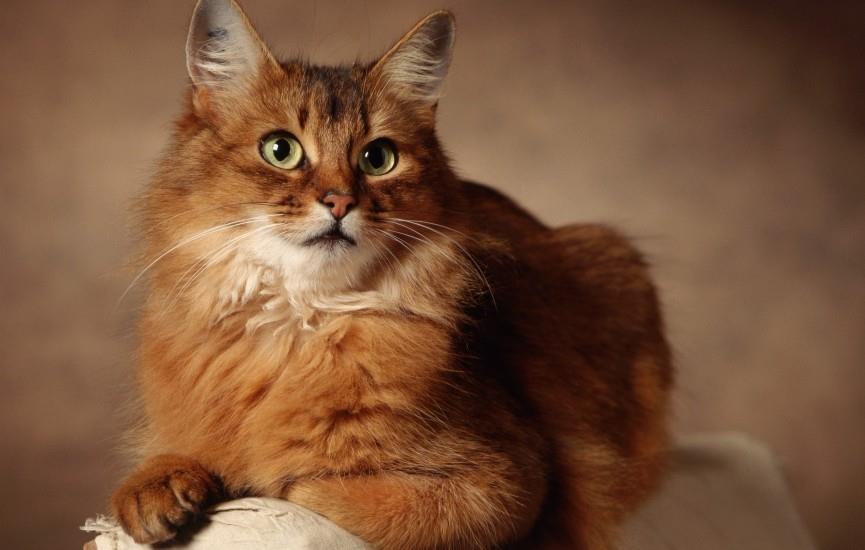
The Somali is a longhaired version of the Abyssinian: athletic, clever, and one of the more interactive cats you can share a house with. The coat is softer than it looks, the tail carries a full plume, and the energy is genuine rather than a breeder's boast. People who like a cat that stays in the room, follows the action, and works at a puzzle toy tend to love this breed. It is also a cat that needs daily play and climbing space, and a handful of inherited conditions are worth screening for before you buy.1
Size: Medium
Weight: Females about 2.7 to 3.6 kg; males about 3.6 to 4.5 kg (typical adult ranges)1
Coat: Medium-length, soft and silky, with a ticked (agouti) pattern
Colours: Commonly ruddy/usual, sorrel/red, blue, fawn; silver varieties also occur, plus additional colours depending on registry1, 2
Temperament: Highly interactive, curious, active
Life span: Often well into the teens with good care (ranges vary by source)1
Grooming: Usually light to moderate; brushing helps with loose hair and hairballs
Known health risks: Not none. Some lines are associated with inherited eye disease (PRA) and pyruvate kinase deficiency; dental disease can also be an issue in some lines1, 3, 4, 5
Activity level: High; needs daily play and climbing outlets
Shedding: Moderate, often heavier through seasonal coat changes
History and Origin
The Somali developed from longhaired kittens that appeared in Abyssinian lines. The longhair trait is recessive, so it can sit quietly in a population and then surface when two carriers are paired. Over time breeders selected for the longer coat while keeping the Abyssinian's ticked pattern and athletic build, and the Somali became recognised as a separate breed in major registries.1
Appearance and Physical Characteristics
Somalis are medium-sized, lithe, and muscular, built for springing onto high perches and staying there. The silhouette is foreign type rather than cobby: longer lines, fine-to-medium bone, and a sense of ready movement even at rest.1
The signature is the ticked coat, where each hair has bands of colour, creating a warm, shimmering look rather than stripes or spots. Depending on the registry you will see core colours such as ruddy/usual, sorrel/red, blue, and fawn, with silver versions also recognised, and some registries list a wider palette beyond those basics.1, 2
The tail is full and plume-like, one of the breed's most obvious markers. Ears are large and alert. Eyes are often almond-shaped and range through gold and green tones, framed by darker facial markings that read like fine eyeliner, a pigment pattern rather than a special structure.1
Temperament and Personality
Somalis stay busy. They investigate cupboards, follow movement around the house, and prefer to be near the centre of activity without necessarily wanting to be carried about. Many enjoy learning routines and will persist with puzzle toys or training games longer than you would expect from a cat with this much physical energy.1
They often do well in families where someone is home enough to provide company, conversation, and play. In quieter homes they can still thrive, but they usually need deliberate enrichment, including climbing space, window perches, and daily interaction, so the intelligence does not curdle into mischief.1
Is a Somali Right for You?
A Somali suits people who want an engaged, athletic companion rather than a lap ornament. If you are home enough to play daily and you can give the cat height and novelty, the fit is good. If your household is out most of the day and you want a low-input cat that mostly sleeps, this is probably not the breed for you. It is worth choosing lines carefully as well, because a few inherited conditions run in Abyssinian and Somali cats and a responsible breeder will screen for them.1
Training and Exercise
For this breed, exercise is not just running, it is problem-solving. Rotating toys, offering food puzzles, and changing the hunt (a feather wand one day, a treat trail the next) helps prevent boredom behaviours such as pestering, scavenging, or relentless night-time zoomies.1
- Short, frequent play bouts: two or three 10-minute sessions can work better than one long session.
- Vertical territory: tall cat trees, shelves, or a safe access route to high perches.
- Reward-based training: many Somalis respond well to treats and praise for simple cues (touch, come, sit), especially if sessions are brief.
Health and Lifespan
Somalis are often robust, but it is not accurate to say there are no breed-specific issues. Two inherited eye conditions are well described in Abyssinian and Somali lines, and DNA tests are available for both:
- PRA (Rdy / rod-cone dysplasia): an early-onset condition where affected kittens become blind very young. UC Davis lists it as seen in Abyssinian and Somali cats and provides a DNA test.3
- PRA (rdAc): a later-onset progressive retinal atrophy with gradual vision loss, often leading to blindness by adulthood, also testable via DNA.4
Some breed resources also note pyruvate kinase (PK) deficiency in the Somali, another inherited condition with DNA testing available in relevant labs and often screened by responsible breeders.1
Dental disease, including gingivitis, is commonly mentioned in breed guidance for Somalis and is worth treating as routine prevention rather than a surprise. Regular home dental care and veterinary checks make a noticeable difference over a lifetime.1
Renal amyloidosis is described as uncommon in cats overall but disproportionately associated with Abyssinians, with heritability suspected. Because Somali and Abyssinian populations are closely related, it is sensible to discuss kidney health history with breeders and keep up with regular veterinary monitoring, especially as your cat ages.6, 7
Reported lifespan ranges vary, but many Somalis live well into the teens with good routine care, a healthy body condition, and early management of dental or genetic issues where they occur.1
Grooming and Care
The Somali's coat is longer, not woollier. It tends to be soft and relatively low-maintenance compared with heavier longhaired breeds, though regular brushing still helps remove loose hair and reduce hairballs. Many owners find a quick brush once or twice a week is enough most of the year, with extra grooming during seasonal shedding.1
Keep nails trimmed and check ears periodically. If your cat is prone to gingivitis, start toothbrushing early, use a vet-approved toothpaste, and build it as a calm habit rather than a wrestling match.1
Diet and Nutrition
Somalis are active cats with good appetites. A complete and balanced diet suited to their life stage (kitten, adult, senior) supports coat quality and lean muscle, and measured meals can be a better fit than free-feeding for cats that tend to overeat.1
Fresh water matters. Some cats drink more readily from a fountain or when water is placed away from food, which can help support urinary and kidney health over the long term.1
A Few Things Worth Knowing
- The fox cat nickname is widely used, largely because of the plume tail and warm, ticked coat pattern.1
- The name Somali was chosen to echo Abyssinian; it does not indicate the modern breed originated in Somalia.1
The Bottom Line
A Somali suits people who enjoy an engaged, athletic companion that wants height, novelty, and daily interaction. Choose lines carefully, ask what genetic screening a breeder performs, and plan your home around climbing space and play. Do that, and the breed's restlessness settles into something more like grace: a small, quick animal moving neatly through its world.1
References
- The International Cat Association (TICA), Somali
- The Governing Council of the Cat Fancy (GCCF), Somali
- UC Davis Veterinary Genetics Laboratory, Progressive Retinal Atrophy (PRA Rdy) (Abyssinian)
- UC Davis Veterinary Genetics Laboratory, Progressive Retinal Atrophy (PRA rdAc) (Abyssinian)
- UC Davis Veterinary Genetics Laboratory, Cat (genetic disease testing overview)
- Cornell Feline Health Center, Renal Amyloidosis
- Merck Veterinary Manual (Cat Owners), Amyloidosis in Cats
- PubMed, Renal amyloidosis in related Abyssinian cats
- PubMed, Familial renal amyloidosis in Abyssinian cats

Dog lover and writer at My Pets Australia, sharing practical breed guides and care advice for Australian pet owners.