Discovering the Burmilla Cat: A Guide to This Elegant Breed
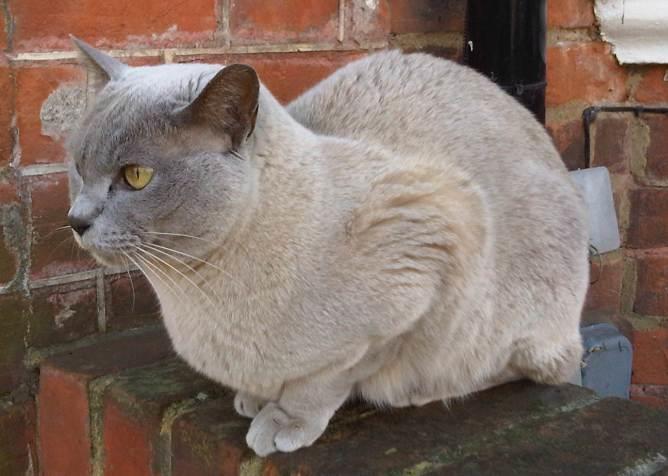
The Burmilla is a medium-sized cat with a sparkling silver coat and easy, sociable company. It came from a cross between a Chinchilla Persian and a Burmese, and it kept the best of both: the shimmer of one and the friendly, playful nature of the other. Most Burmillas stay near the household, enjoy a good game, and settle in without much fuss. It is a low-maintenance cat by most measures. The one thing worth taking seriously is the Burmese ancestry, which brings a couple of inherited conditions that matter if you buy from a breeder.
Quick facts
- Size: Medium, typically around 3 to 6 kg3
- Coat: Shorthaired and silky, with a semi-longhaired variety in some registries4, 7
- Colour and pattern: A silver (and, in some registries, golden) ground colour with shaded or tipped patterning in several recognised colours4, 7
- Eyes: Usually green, though a yellow tinge may show in kittens and young cats under some standards4
- Temperament: Typically sociable, playful and people-oriented1, 3
- Life expectancy: Often reaches the mid-teens with good care, varying with genetics, lifestyle and veterinary care8
- Health watch-outs: Burmese hypokalaemia (WNK4) and Burmese head defect (ALX1) are relevant to Burmilla lines because of Burmese ancestry, and responsible breeders use DNA testing8, 9, 10
- Grooming: Low for shorthairs, with regular brushing to manage loose hair4
History and Origin
The Burmilla began by accident. In the United Kingdom in 1981, an unplanned mating between a Chinchilla Persian and a Burmese produced kittens with a striking silver-shaded coat and a lively, companionable temperament, and breeders decided the result was worth keeping.2, 6 In cat fancy terms the Burmilla sits within the "Asian" group in the UK, where the name describes the shaded variety inside that broader family of Burmese-derived cats.5
Appearance and Physical Characteristics
Burmillas are medium in size, with a neat, muscular body that reads as athletic rather than heavy. They look elegant at rest and turn springy the moment play begins.3, 4
The signature look comes from the coat. A pale, usually silver ground colour is overlaid with either tipping, where the colour sits mainly at the hair ends, or shading, where more colour runs along the hair shaft. The effect is a soft contrast that seems to shift as the cat moves under indoor light.4, 7 Breed standards commonly describe luminous green eyes, often with darker "liner" around the eyes, nose and lips that sharpens the expression on its own.1, 4
Temperament and Personality
Burmillas are friendly, people-focused cats that hold onto a playful streak well into adulthood. Many prefer to be near the household rather than tucked away in a back room, and they tend to enjoy interactive games and regular attention.1, 3
A well-socialised Burmilla usually settles in smoothly. Their sociable nature suits families and multi-pet homes, as long as introductions are slow and supervised and every animal has a quiet spot to retreat to.3
Is a Burmilla Right for You?
For most households looking for companionship without high maintenance, the Burmilla is an easy yes. It wants interaction, so it suits a home where someone is around and happy to play. If you are buying a pedigree kitten, take the inherited conditions seriously and ask the right questions before you commit, since the Burmese ancestry carries real genetic risks that a good breeder will already be managing.8, 9, 10
Training and Exercise
Think of the Burmilla as moderately active and reliably interested. A short daily play routine usually covers it: wand toys, a few sprints down the hallway, a pause to watch birds, then another round once you sit down again.1
- Training style: Keep sessions brief and reward-based. Many Burmillas respond well to treats, praise and play.
- Enrichment that suits them: climbing shelves or cat trees, puzzle feeders, and a rotate-and-return set of toys to keep novelty without clutter.
Health and Lifespan
Most Burmillas live as sturdy companion cats, but their Burmese ancestry brings a couple of inherited conditions that deserve specific attention, especially if you are buying from a breeder or planning litters.8, 9, 10
Burmese hypokalaemia (WNK4) is an inherited, autosomal recessive condition involving episodes of low blood potassium and muscle weakness. A DNA test exists and is used to identify affected cats and carriers in Burmese-related breeds, including the Burmilla.9
Burmese head defect, or congenital frontonasal dysplasia (ALX1), is also inherited and autosomal recessive. Kittens with two copies of the mutation are affected and the condition is not compatible with life, so DNA testing helps breeders avoid carrier-to-carrier matings. The Burmilla is among the breeds for which testing is considered appropriate because of the shared ancestry.8, 10
A few practical steps keep the risk in check:
- If buying a kitten: ask for written evidence of relevant DNA testing in the parents, or a clear breeding strategy showing carriers were not paired.8, 9, 10
- Routine care: keep vaccinations and parasite prevention current, monitor weight, and book regular vet checks, with frequency depending on age and health history.
- If you notice weakness or a "dropped" neck posture: seek veterinary advice promptly, as potassium-related issues can be treatable but should not be guessed at home.9
Grooming and Care
A Burmilla's coat looks polished without much work. For shorthairs, a weekly brush is usually enough to lift loose hair and keep the coat glossy, with extra brushing during seasonal shedding.4 Bathing is rarely needed unless the cat has got into something sticky or there is a medical reason. Most of the time, clean bedding, a good brush, and basic nail and dental care carry the load.
Diet and Nutrition
Burmillas do best on a complete, balanced diet suited to their life stage, whether kitten, adult or senior. Choose a reputable commercial food that meets recognised nutritional standards, then adjust portions to keep a clear waist and an easy, springy gait.8 Wet food can help with water intake and dry food may suit grazing cats. The best mix is the one your cat keeps good condition on, with guidance from your vet, especially if weight starts creeping up.
A Few Things Worth Knowing
- Are Burmillas cuddly? Many are affectionate and like being near people, though individual cats vary. They are often described as sociable and playful, with a steady interest in human company.1, 3
- Do Burmillas shed much? Shorthair Burmillas are generally low-maintenance. They still shed, especially seasonally, but routine brushing usually keeps it manageable.4
- What health tests matter most? Because of the Burmese ancestry, responsible breeding programs commonly consider DNA testing for Burmese hypokalaemia (WNK4) and Burmese head defect (ALX1).8, 9, 10
The Bottom Line
The Burmilla is a quiet showpiece: a soft shimmer of coat, bright green eyes, and a habit of turning up wherever the day is happening. For many households the appeal is simple, companionship without much fuss, so long as you respect their need for interaction and, where pedigree lines are involved, you take the inherited conditions seriously and ask the right questions before you commit.8, 9, 10
References
- PetMD, Burmilla Cat
- Wikipedia, Burmilla (overview and history summary)
- Governing Council of the Cat Fancy (GCCF), Asian (includes Burmilla variety)
- Cat Fanciers' Association (CFA), Burmilla breed standard
- GCCF, Asian group description (Burmilla as shaded variety)
- Cagaran Cats, History of the (Burmilla) Asian Group (UK origin account)
- The International Cat Association (TICA), Burmilla breed standard (PDF)
- UFAW, Burmese: Burmese head defect (genetic welfare issue overview)
- University of California Davis, Veterinary Genetics Laboratory, Burmese hypokalemia (WNK4) test information
- University of California Davis, Veterinary Genetics Laboratory, Burmese head defect (ALX1) test information

Dog lover and writer at My Pets Australia, sharing practical breed guides and care advice for Australian pet owners.