Discover the Unique Charm of German Rex Cats: A Comprehensive Guide
The German Rex is a medium-sized cat with a short, wavy coat that feels like velvet, and that coat is the whole reason people go looking for the breed. It is friendly, lively and quick to bond, the kind of cat that follows you around the house and settles into routine once it feels secure.1 The curl comes from a genuine genetic mutation, not a grooming trick, and it has a specific modern origin in 1950s Berlin that is often muddled online.1 Underneath the unusual fur, though, this is an ordinary companion cat with ordinary needs.
History and Origin
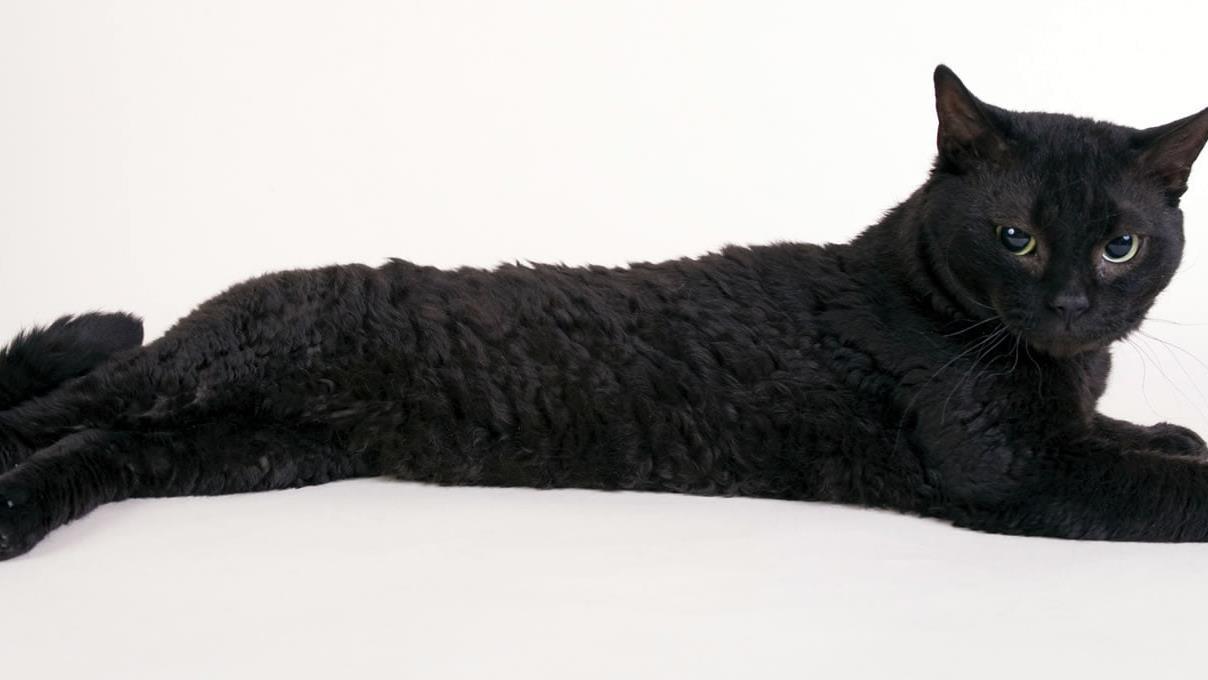
The modern German Rex story starts in Berlin in the summer of 1951, when Dr Rose Scheuer-Karpin noticed a black, curly-coated cat around a hospital garden. Staff told her the cat had been there since 1947. She took an interest in the unusual coat, which turned out to be the result of a mutation, and the cat became a foundation animal for the breed.1 The German Rex has been recognised by FIFe (Fédération Internationale Féline) since 1982.1
Appearance and Physical Characteristics
At rest a German Rex can pass for an ordinary medium-sized cat, right up until the light catches the coat. The fur sits close to the body in soft waves and feels unusually silky, because it lacks the harsh guard hairs most cats carry.1 A wide range of colours and patterns is accepted, though the details vary between registries.1
Other features often mentioned include:
- A rounded head and well-developed cheeks, giving a softer, open expression.1
- Whiskers that may curl, though not always dramatically.3
Temperament and Personality
German Rex cats are commonly described as people-oriented and bright. Breed descriptions are a guide rather than a guarantee, but these cats tend to enjoy play, follow household activity, and settle quickly into routine once they feel secure.1
Is a German Rex Right for You?
With calm introductions and sensible handling, many German Rex cats do well in busy homes with children and other animals. Like any cat, their comfort depends on having escape routes, quiet resting places, and the option to step away when play gets too intense. If you can offer daily interaction and a home that keeps a curious cat occupied, this is a straightforward breed to live with.
Care and Housing
A German Rex does best on short, regular bursts of activity rather than one long session. Gentle, reward-based training works well, whether that is coming when called, sitting for a treat, or using a scratch post, especially when sessions stay brief and end before boredom sets in.
Daily enrichment usually looks like:
- Interactive play with wand toys, thrown soft toys, and short chase games.
- Climbing and perching options such as cat trees, stable shelves and window seats.
- Food puzzles to slow eating and occupy the mind.
Health and Lifespan
There is no widely accepted list of German Rex-only diseases. In practice their health profile overlaps with the usual concerns across pet cats: weight gain, dental disease, and the ordinary knocks of indoor life. Most German Rex cats live into the low-to-mid teens with good care, though individual variation is normal.2
Preventive care makes the biggest difference to lifespan and comfort. Authoritative cat-care guidance emphasises regular veterinary checks and ongoing vaccination as the baseline.4 In Australia, core feline vaccination commonly covers feline panleukopenia (enteritis) and the cat flu viruses (herpesvirus and calicivirus), often delivered as the F3 vaccine.4 Adult booster timing varies with risk and the product used, so it is best set with your vet.4
Grooming and Care
The coat is the headline feature, but it is not a high-effort coat. A light, gentle brush helps remove loose hair without roughing up the curl, and over-bathing or harsh grooming can dry the skin, especially in cats with finer coats. The routine that matters more is the unglamorous part:
- Regular nail trims.
- Ear checks, cleaning only when needed and using cat-safe products.
- Dental care at home where possible, plus vet dental checks.
Diet and Nutrition
Cats are obligate carnivores. A complete, balanced commercial cat food is the simplest way to meet their nutritional needs, and meat-only or unbalanced homemade feeding can create serious problems over time.5 Some common human foods are genuinely dangerous. Australian animal welfare authorities and veterinary-aligned resources consistently flag onions and other alliums, chocolate, grapes and raisins, and caffeinated products.6, 7
A Few Things Worth Knowing
- The signature rex coat comes from a genetic mutation that changes hair structure, so the fur lies in soft waves rather than the usual straight guard-hair-and-undercoat arrangement.1
- Because there is little to no guard hair, the coat feels like velvet, which is the trait most owners notice first.1
The Bottom Line
A German Rex is a companion cat wrapped in an unusual coat. If the breed appeals to you, focus less on the curl and more on the ordinary things that keep any cat thriving: good food, a warm and interesting home, preventive vet care, and daily interaction on the cat's terms.
References
- Fédération Internationale Féline (FIFe), German Rex (breed information and standard notes)
- VIN (Veterinary Information Network), Life stage care and longevity context for cats
- Wikipedia, German Rex (overview, supplementary background)
- RSPCA Australia, What you need to know about pet vaccinations (core cat vaccines, F3)
- RSPCA Knowledgebase, What should I feed my cat? (obligate carnivore and feeding guidance)
- RSPCA Pet Insurance, Foods to avoid for cats
- Agriculture Victoria, Human foods to avoid for cats and dogs
- RSPCA Knowledgebase, What vaccinations should my cat receive?

Dog lover and writer at My Pets Australia, sharing practical breed guides and care advice for Australian pet owners.