Dangerous Pets: What You Need to Know Before Bringing One Home
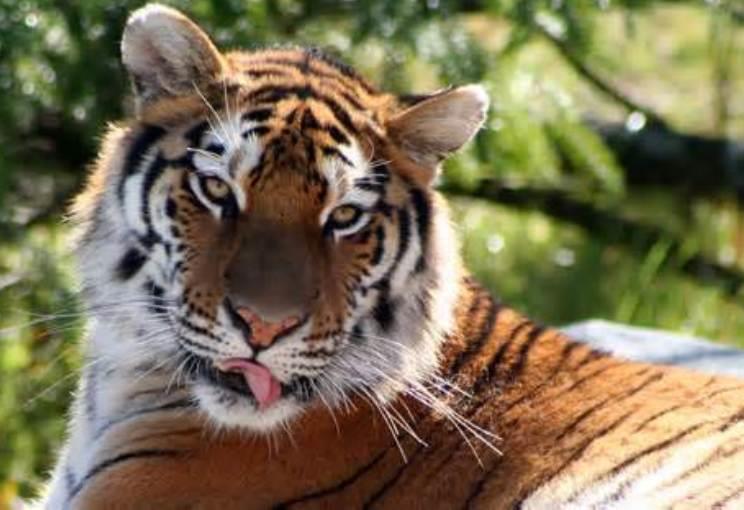
Dangerous pets are animals that can seriously hurt a person, escape their housing, or pass on infection, and in Australia most of them sit under strict wildlife, welfare, or biosecurity control. That includes venomous snakes, large constrictors, powerful birds, and some big lizards, but it also covers ordinary looking reptiles whose real risk is the bacteria they carry. Australia's rules are set by each state and territory, so what is legal in one place may be banned or need a permit next door. The upside is that responsible keeping is well documented and the licensing paths are clear. The catch is that a single escape, handling mistake, or hygiene slip can injure someone, harm other animals, or trigger penalties.
What "dangerous pets" actually means here
In practice the label covers a few overlapping groups. Some animals can seriously injure a person, such as venomous snakes, large constrictors, strong birds of prey, and some large lizards. Others are simply hard to contain, being escape prone, strong climbers, or needing double door systems. Many carry zoonotic disease risks that rise with close contact, which is common with reptiles, amphibians, and some mammals. And a large share fall under native wildlife licensing, prohibited exotic species rules, or restricted invasive animal controls. It is worth clearing up a common misconception: "dangerous" is not limited to dramatic animals like big cats. Private ownership of truly high risk exotics is heavily restricted in Australia, and many real world injuries and illnesses involve animals that look manageable, especially reptiles and their environments.1, 2
What is legal, and what usually is not
The rules are state and territory based, and they change by species, keeping purpose, and location. Start with the regulator in your state or territory, not a pet shop conversation.
For native reptiles, including venomous species, some jurisdictions allow private keeping under licence, with extra requirements for higher risk classes. In New South Wales, reptiles are grouped into licence classes, and venomous species sit in the advanced classes with conditions such as escape proof enclosures, a lockable room, and evidence of experience plus an emergency response plan.1 The Northern Territory requires a permit to keep any venomous snake, with categories based on the level of risk, and inspections and other approvals may apply. The NT also states that exotic snakes cannot be kept by private permit holders.3
For exotic, non native animals, the import of live animals into Australia is controlled under national legislation, with restrictions built to protect biosecurity, public safety, and threatened species. Owning an animal already in Australia is not the same as being allowed to import it, and illegal imports carry serious consequences.4 Biosecurity law adds another layer. In Queensland it draws a hard line around prohibited and restricted invasive animals: some categories cannot be kept, and obligations apply if certain invasive animals are found or suspected, including reporting requirements in specific cases.5
Where the risk actually comes from
Most severe incidents trace back to predictable moments: feeding, cleaning, handling in a confined space, or a lapse in enclosure security. Large reptiles and other wildlife do not need to be aggressive to cause harm. They only need leverage, speed, and one opening that was meant to be closed.
Infection is the quieter risk, and it is easy to underrate. Reptiles and amphibians can carry Salmonella in their gut and shed it in droppings, often without appearing ill. The bacteria can spread to hands, clothing, surfaces, and household sinks, then into mouths through food handling or ordinary touch.6, 7 People at higher risk of severe illness include young children, older adults, pregnant people, and anyone with a weakened immune system.6
Care and containment done properly
For higher risk species, a secure enclosure means layers, not a single box. That usually includes locks that cannot be nudged open by body weight or vibration, escape proof joins, vents, and cable ports (the places animals test repeatedly), a secondary barrier such as a lockable room or a double door entry for larger animals, and clear rules about who can access the animal and when. Some licensing schemes explicitly require escape proof enclosures and a lockable room for advanced reptile classes, plus an emergency response plan and evidence of experience for venomous species.1
Good handling is mostly about avoiding the need to handle at all. Design the setup so feeding, spot cleaning, and basic checks can be done with minimal direct contact. When handling is unavoidable, it should be planned rather than improvised, and matched to the species and the keeper's competence.
Veterinary care needs planning before you need it. Exotic and native wildlife species often require vets with specific training and equipment, and in some regions you may also carry licence conditions about welfare, record keeping, or compliance with a code of practice.1 Before you acquire any high risk animal, confirm which clinic will see the species and its after hours options, how the animal will be transported safely and legally, and what your legal obligations are if it escapes or bites someone.
The welfare question
Wild animals can survive in captivity while still living poorly: chronic stress, under stimulation, an inappropriate diet, and housing that is safe for humans but not adequate for the animal. The RSPCA's position is that captive bred wild animals should not be kept as pets unless there is clear evidence they will have good quality of life and their physiological, social, and behavioural needs can be met, with accurate husbandry information available, suitable veterinary support, and no health or public safety risk.8
Safer ways to get close to wild animals
If the pull is curiosity rather than ownership, you can be close to wild animals without turning your home into a containment problem. Options include volunteering or training with licensed wildlife carers or rescue organisations where permitted, joining keeper talks and behind the scenes programs at accredited zoos and wildlife parks, and supporting conservation breeding programs and sanctuaries instead of private acquisition. For many people that is the most honest compromise: contact with animals under systems built for safety and welfare, without the daily risks and legal responsibilities landing on one household.
Final thoughts
Keeping a dangerous pet is rarely one decision. It is a chain of daily decisions about containment, hygiene, training, and what happens when something goes wrong at 10 pm on a Sunday. Australian laws reflect that reality: permissions are narrow, conditions are specific, and the consequences of mistakes can spill well beyond the owner's backyard.1, 3, 5
References
- NSW Environment and Heritage, Reptile keeper licences (licence classes and requirements)
- Service NSW, Apply for a native animal keeper licence
- Northern Territory Government, Permits for venomous snakes
- Australian Government (DCCEEW), Household pets and non-native (exotic) pets: general advice
- Business Queensland, Pest (invasive) animal control laws
- Better Health Channel (Victoria), Pets: safe handling of reptiles and tropical fish
- US FDA, Salmonella and pet reptiles and amphibians: infection prevention tips
- RSPCA Australia Knowledgebase, View on keeping native animals as pets

Dog lover and writer at My Pets Australia, sharing practical breed guides and care advice for Australian pet owners.