Choosing Between a Shelter, Rescue, or Breeder for Your New Pet
A new pet can come from three main places in Australia: an animal shelter or pound, an independent rescue organisation, or a breeder. Each route brings a different kind of animal home, costs a different amount up front, and carries different risks in the first few months. There is no single best option. The right one is the one that suits your household, your budget for veterinary care, and your willingness to walk away when something feels off.
Shelters, rescues and breeders: what each one really is
In Australia, pets commonly come from three sources, and it helps to be clear on what each actually does.
- Animal shelters and pounds: facilities that take in lost, surrendered, or seized animals. Some are council-run; others are run by charities and welfare organisations.
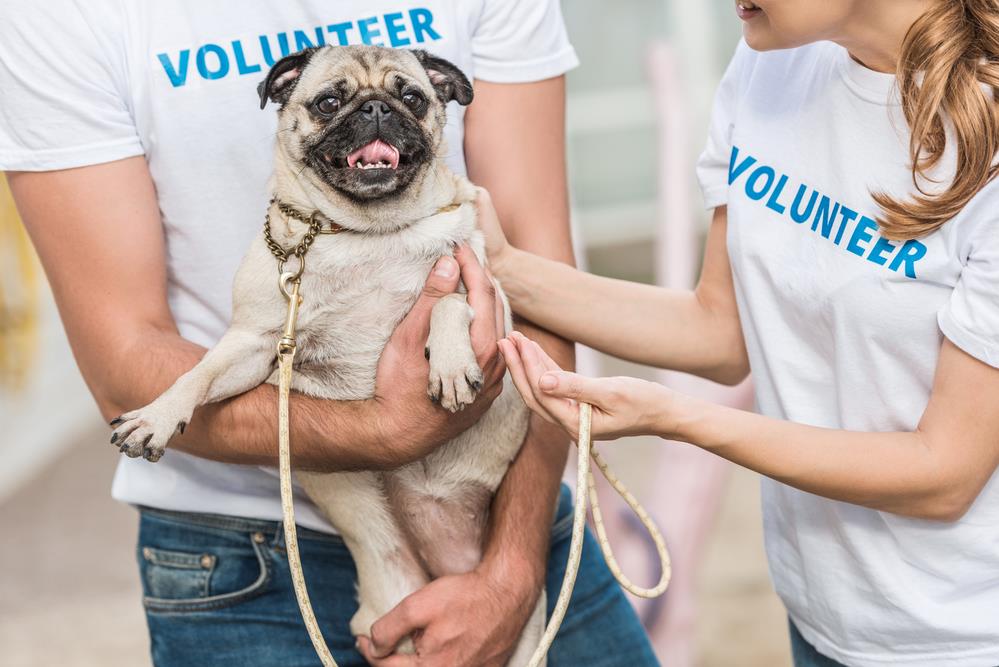
- Rescue organisations: independent groups, often volunteer-led, that place animals into foster care before adoption. Some focus on a particular breed or species.
- Breeders: people breeding dogs or cats intentionally. Reputable breeders put welfare first, socialise animals well, and are transparent about health screening and living conditions.
Adopting from a shelter
Shelters are a solid, well-supported way to bring an animal home. They take in animals for many reasons: lost pets, owner surrender, and animals removed in cruelty investigations. In busy periods, space runs tight and time matters. RSPCA national reporting shows tens of thousands of animals entering care each year, and not all will be rehomed.1
Many shelters aim to send animals home with the key basics done or clearly documented, such as vaccination status, parasite control, microchipping and desexing (or a plan to complete it). What is included varies by organisation and state, so confirm it in writing before you commit.5
Shelter animals are not automatically damaged, and they are not automatically easy either. Some have had steady homes and are surrendered due to housing pressure or cost-of-living strain. Others have had rough early care and may need time, routine and patient training to settle.2
Adopting through a rescue organisation
Rescues commonly run as networks of foster carers, and that foster period is genuinely useful. Animals are observed in a home setting, their day-to-day habits become clearer, and any training can begin gently and consistently.
Many animals end up in rescue for owner-related reasons such as rental changes, financial stress, illness or family breakdown, not because the animal is bad. In recent years, Australian shelters and rescues have reported rising surrender demand linked to housing and cost pressures.2
From a good rescue you should expect:
- A clear explanation of the animal's known history and current needs, including what is unknown.
- Transparent fees, with desexing, microchip and vaccination status given in writing.
- A process that protects the animal: questions about your home, and sometimes a meet-and-greet or trial period.
Buying from a breeder without supporting poor welfare
Breeding is not automatically ethical or unethical. The difference shows in the basics: how the adult animals live, how puppies or kittens are raised, and whether the breeder will let you see conditions and ask hard questions.
A reputable breeder is usually comfortable with slow, in-person decisions. They will encourage you to meet the litter where it was raised, show you the mother (and sometimes the father), and discuss health screening that fits the breed's known risks.6
Watch for red flags that often point to puppy farming or scams:
- Pressure to pay a deposit before you have met the animal in person.
- Refusal to let you visit where the animal was raised, or offers to meet in a car park.
- Unclear identity details, missing paperwork, or answers that keep changing.
RSPCA guidance is blunt on one key point: do not buy a puppy sight unseen, and wherever possible acquire the puppy from the place it was born so you can assess conditions and the parents.3
State rules can matter too. In NSW, for example, the government has tightened breeder identification and advertising rules, including the use of Breeder Identification Numbers (BINs) and microchip details in ads for dogs, under changes that began on 1 December 2025.4 Requirements vary by state and territory, so check the rules that apply where you live.
Purebred vs mixed-breed: what is predictable and what is not
Breed can help you anticipate size, coat type, exercise needs and some common behaviour tendencies, but it does not write the whole story. Early socialisation, health care, training and the individual animal's temperament matter just as much.
On health, the simple claim that purebreds are less healthy does not hold up neatly. Large studies have found that, across many common conditions, purebred and mixed-breed dogs can be broadly similar overall, while some conditions cluster in particular breeds or lines.7
What does change risk is how breeding is done. Close inbreeding and poor selection practices can increase the chance of inherited disease. A careful breeder tries to reduce that risk through health testing, transparent records, and sensible mating choices.6
How to choose the right source for your household
Start with what your home can genuinely support. Energy levels, noise tolerance, your work hours, the presence of children or other animals, and your budget for veterinary care all shape what will work long-term.
- If you want to adopt: be open to meeting a few animals. A good match often reveals itself slowly.
- If you want a particular breed: check shelters and breed rescues first, then consider a reputable breeder if you cannot find the right fit.6
- If you are time-poor: choose an animal whose exercise and enrichment needs match your week, not your best intentions.
Key questions to ask before you adopt or buy
Whether you are dealing with a shelter, rescue, or breeder, the safest decisions come from clear answers that can be backed with documentation.
- Health and paperwork: What vaccinations, parasite control, microchipping and desexing have been done, and what is still due? Can you see records?5
- Temperament in real settings: How does the animal behave with handling, strangers, other animals, and common household noise? What has actually been observed, not guessed?
- History and known gaps: Is the animal surrendered, stray, or bred here? What is unknown?
- Support after adoption: If problems appear in the first weeks, what support is offered, such as advice, a return policy, or a trainer referral?
Handling the challenges early
Some shelter and rescue animals arrive with patchy histories. Plan for a settling-in period and arrange a veterinary check soon after adoption to confirm health status and set up a prevention schedule.5
With breeders, the challenge is sorting genuine breeders from high-volume sellers. Use the boring checks: visit in person, ask for health screening relevant to the breed, and verify identity details required in your state where applicable. If you are being rushed, step back.3
A sound choice is a slow one
Shelters, rescues and reputable breeders can all be responsible ways to bring an animal into your life. The difference is in transparency, welfare standards, and whether the animal in front of you suits your home as it really is. Take your time, ask for records, and meet the animal more than once if you can. A good organisation will not mind the pause.
References
- RSPCA Australia, Annual statistics (National statistics 2023 to 2024)
- ABC News (13 June 2025), Animal shelters struggle with influx of surrendered pets as owners face cost-of-living pressure
- RSPCA Knowledgebase, How do I avoid supporting puppy farms? (Updated 30 July 2024)
- NSW Government, NSW Government puts puppies and buyers first with law changes starting 1 December (15 November 2025)
- NSW Department of Primary Industries, Buying or adopting a dog (guidance on checks, microchipping, vet checks and scams)
- ABC News (24 July 2024), How to tell if a puppy is from a reputable, ethical dog breeder
- Frontiers in Veterinary Science (2024), Cross-sectional United Kingdom surveys demonstrate that owners and veterinary professionals differ in their perceptions of preventive and treatment healthcare needs in ageing dogs
- NSW Government, Buying a pet (consumer rights and scam warnings)

Dog lover and writer at My Pets Australia, sharing practical breed guides and care advice for Australian pet owners.