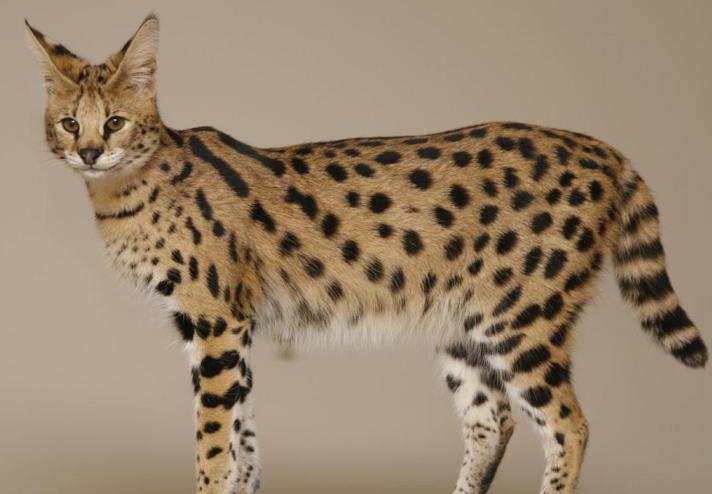
Cat's Teeth - Hunting and tearing teeth
A cat's teeth are cutting tools, not grinding stones. Cats are built to grip prey, slice meat into swallowable strips, and get on with the meal, which is why you see short decisive bites rather than long chewing. Knowing which teeth do what makes it easier to spot trouble early and to understand what your vet is looking at. It also helps because cats tend to hide dental pain, often carrying on eating while a problem quietly gets worse. This guide covers the normal job of each tooth, then the signs and home care that keep the system working.
Cat teeth at a glance
An adult cat usually has 30 permanent teeth: incisors, canines, premolars and molars, arranged in a pattern that suits a meat diet rather than heavy grinding.1
In simple terms:
- Incisors, the small front teeth, help nip and tidy, scraping meat from bone, grooming and picking up small items.
- Canines, the long fangs, grip and puncture prey and hold something still during a bite.
- Premolars and molars, the cheek teeth, do most of the cutting, acting like blades rather than flat grinding surfaces.
Cats also have specialised shearing teeth called carnassials. These are the upper fourth premolar and the lower first molar, which meet like scissors to slice meat and tendon into strips a cat can swallow.2
How cats use their teeth
A cat's bite is about control and clean cutting rather than chewing. In a typical prey sequence the canines anchor, the head and neck supply force and angle, and the cheek teeth shear flesh into pieces that can be swallowed with little grinding.2
This is why it is normal to see a cat:
- take short, decisive bites rather than long chewing cycles
- tilt the head slightly while slicing with the back teeth
- swallow relatively large pieces, especially with soft foods
One common mix-up is worth correcting: the incisors are not the main tearing teeth. They do fine, close work at the front of the mouth, while most tearing and slicing is done by the premolars and molars, especially the carnassials.2
Domestic and wild cats
Domestic cats and wild felids share the same basic dental plan: prominent canines and blade-like cheek teeth built for meat. What usually differs is not the type of teeth but the wear patterns and dental health pressures created by diet, lifespan and access to veterinary care.
Why dental health matters
Sharp edges help a cat process food efficiently, but the real threat to that system is not blunt tips. When plaque and tartar build up along the gumline, the result is inflamed gums, loosening teeth and pain that changes how a cat eats.3, 4
Dental disease is very common. In Australia, RSPCA guidance notes it is the most common health condition affecting pets, with a large proportion of cats showing some level of dental disease by three years of age.4
Signs your cat's teeth or gums may be sore
Cats often keep eating while working around pain, so watch for small changes that persist for more than a day or two:
- bad breath that does not fade
- red, swollen or bleeding gums
- drooling, especially with blood-tinged saliva
- dropping food, chewing on one side, or slow, careful eating
- pawing at the mouth, head shaking, or reduced grooming
- preference shifts, such as only soft food or refusing dry
These signs fit common problems such as gingivitis and periodontal disease, which often start with plaque that mineralises into tartar, also called calculus.3, 5
Home dental care that helps
The most effective home step is removing plaque before it hardens. Without regular brushing, plaque can mineralise into tartar within roughly 36 to 48 hours, and once tartar is present it generally needs professional removal.5
For toothbrushing, aim for the following:
- Daily is ideal, but consistent brushing a few times a week beats occasional catch-ups.6
- Use cat toothpaste only, never human toothpaste.6
- Focus on the outer surfaces of the teeth near the gumline, where plaque collects most.
If brushing is difficult, ask your vet about options with evidence behind them, such as dental diets or additives assessed through recognised veterinary dental product programs.7 These support brushing rather than replace it.
When a vet dental matters
A proper dental assessment often involves looking under the gumline, where disease can progress even when teeth look white. Professional cleaning is done under general anaesthesia so the whole mouth can be examined and scaled safely.3
Seek veterinary advice promptly if your cat stops eating, cries out when yawning, has facial swelling, or shows ongoing bleeding gums. These are not just bad breath problems.
The Bottom Line
A cat's mouth is a compact toolkit: small incisors for fine work, long canines for grip, and sharp cheek teeth that shear meat cleanly. When that system is dulled by plaque, inflamed by gingivitis or undermined by periodontal disease, the changes can be subtle at first and then hard to ignore. Steady home care and timely veterinary checks keep the teeth doing the clean, quiet, efficient work they evolved for.
References
- Merck Veterinary Manual: Dental formulas of various animal species
- American Veterinary Dental College (AVDC): Nomenclature and numbering of teeth
- RSPCA Knowledgebase: How should I take care of my cat or dog's teeth?
- RSPCA Australia: Importance of dental health
- VCA Animal Hospitals: Dental disease in cats
- RSPCA Pet Insurance: Guide to cat dental care
- VCA Animal Hospitals: Plaque and tartar prevention in cats
- WSAVA: Global Dental Guidelines
- RSPCA South Australia: Dental care for dogs and cats

Dog lover and writer at My Pets Australia, sharing practical breed guides and care advice for Australian pet owners.