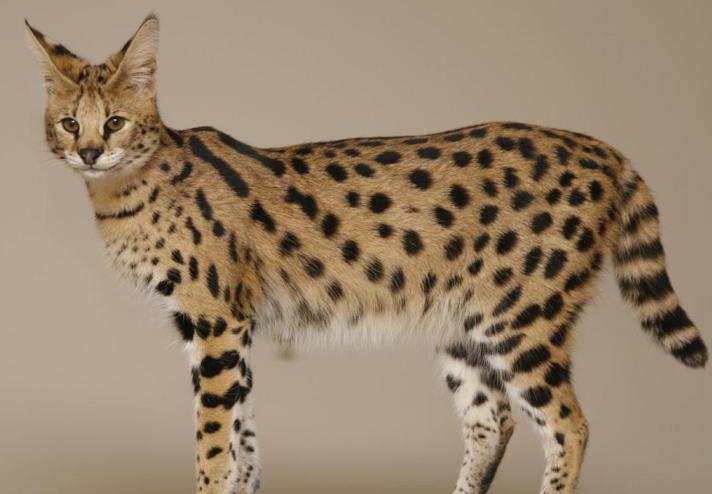
Cat's jumping and landing Ability
A cat can vault onto a kitchen bench like the bench were barely there, then correct itself mid-air on the way down and land square on four paws. That ability comes from a genuinely impressive package of hindlimb power, a spring-loaded spine and an inner-ear balance system that fires faster than the eye can follow. Most people meet this topic one of two ways: admiring the leap, or worrying after a cat has gone off a balcony or windowsill. Both are worth understanding, because "cats always land on their feet" is a saying, not a safety guarantee. What follows is what is actually doing the work, what a cat can and cannot reliably do, and when a fall needs a vet straight away.1, 2
The science behind a cat's jump
A cat's jump begins at the back end. The hindlimbs supply the main thrust, driven by large muscle groups around the hips and thighs, while the forelimbs handle steering, stabilising and absorbing impact on landing.3 The spine does the rest. A cat's back is unusually flexible, with vertebrae held together largely by muscle, so the body can coil and extend like a spring on take-off and make fine adjustments in the air.4
Muscles, bones and joints: what takes the load
Jumping and landing are whole-body events. The skeleton gives the structure, but it is tendons, ligaments and muscle control that manage the forces, and those soft tissues can be injured even when nothing looks broken from the outside.3 On landing, the front limbs often absorb a large share of the initial impact, with the shoulders and spine helping to spread and soften the force as the cat compresses and then steadies. If the landing is awkward or the surface is slippery, the risk shifts quickly towards strains, sprains and fractures.3
What the tail does, and what it doesn't
The tail works as a mobile counterweight. It helps with balance during narrow, careful movements such as walking a railing, and it can assist small mid-air corrections by shifting the body's rotation and centre of mass.4 It is not a parachute, and it is not the main reason a cat can reorientate in a fall. That ability comes mostly from the nervous system, in particular the vestibular system in the inner ear, which detects movement and position relative to gravity and coordinates the rapid righting response.5
Common types of jumps
Cats do not label their movements, but in daily life you will see a handful of repeat patterns:
- Vertical jumps (bench, windowsill, top of the fridge): mostly hindlimb power, with precise paw placement at the top.
- Horizontal leaps (chair to chair): a flatter arc, often with a quick check of footing before take-off.
- Turn-in-air adjustments (changing direction mid-leap): small body twists that rely on spine flexibility and rapid coordination.
- Drop-down landings (descending from shelves or cat trees): a controlled lowering when possible, or a short fall with a braced landing.
How cats land from height, and why falls still injure them
Cats often rotate in the air and land feet-first using an air-righting reflex, guided mainly by the vestibular system.6 Landing "on the feet" can still mean broken bones, jaw and facial trauma, chest injury and internal damage, especially after balcony and window falls. Australian animal welfare and veterinary sources consistently warn that the old saying is unreliable and that injuries may not be obvious at first glance.1, 7 If a cat falls from any significant height, treat it as an emergency. First-aid and veterinary guidance is clear: find the cat, handle it carefully, and get it assessed promptly even if it tries to run off or seems alert.2, 8
After a fall: red flags to treat as urgent
- Open-mouth breathing, rapid breathing, or obvious effort to breathe
- Limping, dragging a limb, or reluctance to stand
- Bleeding from the mouth or nose, or a swollen or uneven jaw
- Collapse, weakness, unusual wobbliness, or a head tilt
- Extreme quietness, hiding, or sudden aggression (a pain response)
Even without these signs, internal injuries can be present, so a veterinary check is still the safest call after a serious fall.7, 8
The role of exercise and play
Jumping well is partly strength and partly coordination. Regular play maintains muscle tone, joint range of motion and body awareness, which keeps everyday movement more controlled, especially as a cat ages.9 It also cuts down on the impulsive launches that come from boredom. A cat with proper outlets for climbing, stalking and pouncing is less likely to invent its own risky routes along window ledges and balcony rails.9
Encouraging safer jumping at home
You cannot train away physics, but you can shape the environment so the safest option is also the easiest one.
Set up safer routes
- Create step-like paths to favourite high spots, using chairs, low stools or cat steps.
- Use stable, non-slip surfaces where cats launch and land.
- Provide a sturdy scratching post or cat tree that will not wobble under load.
Reduce fall risk around windows and balconies
- Fit secure, cat-proof window screens rather than relying on flyscreens.
- Enclose balconies or prevent unsupervised access.
Balcony and window safety advice from Australian cat organisations is blunt for a reason: it often takes only one slip, startle or misjudged pounce.1
The bottom line
A cat's jump is a compact, whole-body performance: hindlimb power, a springy spine, rapid mid-air adjustment and a landing that asks a lot of bones, joints and soft tissue. In a healthy young cat it looks effortless. In an older cat, an injured cat, or one that has just had a fall, the same movements turn risky quickly. When in doubt after a fall, treat it as urgent and get veterinary help.1, 2, 7, 8
References
- Cat Protection Society of NSW, Balcony safety factsheet
- American Red Cross, Cat falling (high-rise syndrome): emergency steps
- Merck Veterinary Manual (Pet Owner Version), Introduction to bone, joint, and muscle disorders in cats
- Encyclopaedia Britannica, Cat behaviour: coordination, musculature and tail
- Cornell Feline Health Center, Vestibular syndrome (balance system overview)
- PubMed, Development of the air righting reflex in cats visually deprived since birth
- RSPCA Pet Insurance (Australia), Common cat injuries: falls (high-rise syndrome)
- The Animal Medical Center, High-rise syndrome in cats
- RSPCA NSW, Keeping your cat happy at home (enrichment and play guidance)

Dog lover and writer at My Pets Australia, sharing practical breed guides and care advice for Australian pet owners.