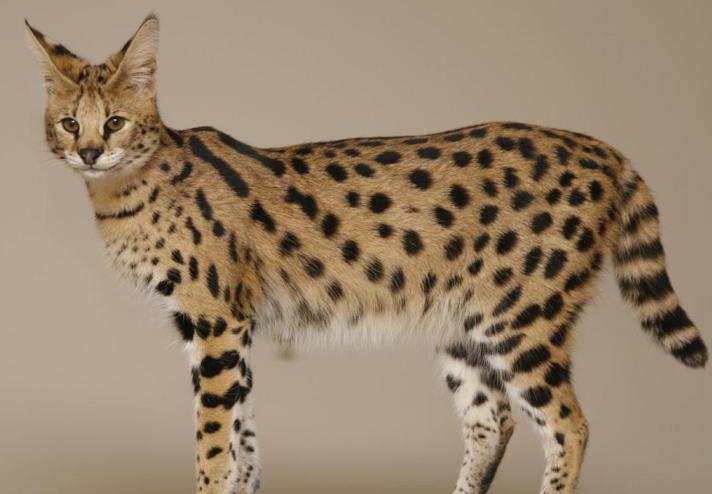
Cat's Climbing and Jumping Ability
Cats are built for a vertical life. Spring-loaded hindquarters, a spine that flexes like a bow, and claws that bite into texture let them scale a bookcase or land silently on a shelf, and it is genuinely impressive to watch. That same equipment also gets them onto fridge tops, balcony rails and slick benchtops where a missed landing can mean a sprain, a broken tooth, or a fall from a window that looked safe. The good news is that you do not have to stop a cat climbing to keep it safe. You just have to give it better places to do it.
The anatomy behind a cat's climb and jump
A cat's jump starts in the back end. The hind limbs provide most of the propulsion, and the trunk acts like a flexible bridge that can coil, extend, and adjust body position in mid-air. Muscles and joints absorb the impact on landing, which is why awkward landings, or repeated hard jumps in older cats, can become a problem over time.1
The spine's flexibility helps with quick changes of direction, but it is the whole body working together that produces that clean arc from floor to shelf: hindquarters for power, shoulders and forelimbs for control, and paws for grip.1
What about the "righting reflex"?
Cats can reorient during a fall so the feet point down. That reflex reduces some risks, but it does not make falls harmless, and it does not guarantee a safe landing, especially from windows, balconies, and other indoor perches that end abruptly.2, 3
Claws: grip, braking, and controlled descent
Cat claws are retractile, drawn back when not needed, which keeps the tips sharper for climbing, gripping and quick turns. On climbable surfaces such as carpet, bark or a textured post, the claws act like tiny crampons and improve traction and control.4
On smooth or crumbly surfaces such as painted plaster, glossy laminate or some brickwork, claws may not find purchase. That is when slips happen, even in confident climbers.3
The tail's real job: balance and fine steering
A cat's tail is a counterbalance. When a cat walks a narrow edge or turns mid-climb, the tail shifts to help keep the centre of mass where it needs to be, and it can assist with small mid-air corrections. It is not a booster that adds lift like a propeller.5
Tails also signal to other cats and to people. Position and movement can indicate arousal or intent, but they are best read as context rather than a simple mood gauge.5
Common jump styles you'll see at home
Cats do not label their jumps, but the movement tends to fall into a few familiar patterns:
- Vertical spring to reach a ledge, windowsill, or shelf.
- Gap jump between surfaces (chair to table, bench to fridge).
- Drop-down from height, often with a brief pause before committing.
- Pounce that combines a leap with a forward strike, usually during play.
How high or far a cat can jump varies with age, body condition, confidence, surface grip, and whether the landing is wide and stable.
Why climbing matters, and when it becomes a problem
Vertical movement is normal cat behaviour. It adds exercise, expands usable territory in a small home, and creates safer escape routes when the floor feels busy with visitors, dogs or other cats. Many cat-care guidelines stress environmental enrichment that includes elevated resting and observation spots.6, 7
Climbing and jumping become an issue when:
- the only high places are unsafe (balcony rails, narrow window ledges, the top of unstable furniture)
- the cat is overweight, arthritic, or recovering from injury and still attempting big leaps
- there is competition in a multi-cat home and cats feel pushed to flee upwards.
How to support safe climbing and jumping at home
Build "approved" vertical routes
Give your cat a clear, grippy way up and down. Think in ladders and stepping stones, not single heroic leaps.
- Use a sturdy cat tree with platforms large enough for turning around.
- Add wall shelves or furniture steps so jumps stay modest.
- Place a resting platform near a window, with the window itself secured (see below).7, 8
Make landings boring, in the best way
- Choose wide, stable surfaces over narrow rails.
- Use non-slip coverings on popular launch and landing points.
- Secure tall furniture to the wall if it wobbles when climbed.
Use play to encourage controlled movement
Short play sessions that invite climbing, such as a wand toy moving up a tree or treats placed on lower shelves, build strength and coordination without forcing unsafe jumps. Keep it gentle for older cats, and stop if you see stiffness, hesitation, or repeated misses.7
The real dangers: windows, balconies, and "high-rise syndrome"
Cats fall, and not just from tall buildings. A second-storey window or balcony can be enough. Falls can cause jaw and facial trauma, chest injuries, fractures, and internal injury, and a cat that seems to run it off may still be seriously hurt.2, 3
Quick safety checks
- Screens: fit snug, sturdy window screens, and do not assume existing flyscreens can hold a cat's weight or prevent a push-through.2, 8
- Balconies: treat open balconies as fall risks. If you use them, make them escape-proof with a properly installed enclosure or netting system, and still supervise time outside.8, 9
- Window guards: child window guards can leave gaps a cat can slip through, so they are not a substitute for secure screens.2
If your cat falls
Assume injury until proven otherwise. Find your cat quickly, keep handling minimal, and get veterinary care immediately, even if your cat gets up and moves away.10
Training exercises, simple and optional
You can improve confidence and body control without turning your lounge room into an obstacle course.
- Step-ups: reward your cat for stepping onto a low box, then a slightly higher platform.
- Targeting: use a treat or target stick to guide a controlled hop onto a stable surface.
- Gentle up and down routes: encourage the same safe path repeatedly so it becomes habit.
Avoid pushing height or distance. The goal is predictable movement on good footing, not maximum airtime.
The Bottom Line
A cat's climbing and jumping look effortless because the design is integrated: flexible trunk, powerful hindquarters, and claws that hook into the right surface, with the tail quietly correcting balance. Give that machinery safe structure, meaning stable platforms, grippy routes and secure windows, and your cat can live vertically without gambling on the edge of a balcony rail.
References
- Merck Veterinary Manual (Cat Owners), Introduction to Bone, Joint, and Muscle Disorders in Cats
- ASPCA, High-Rise Syndrome: Lifesaving Tips for Cat Parents
- Animal Medical Center (NYC), High-Rise Syndrome in Cats
- Encyclopaedia Britannica, Cat (Felis catus)
- VCA Animal Hospitals, Interpreting Tail Language in Cats
- American Association of Feline Practitioners (AAFP), Environmental Enrichment (Position Statement/Guidance)
- MSPCA-Angell, Feline Environmental Needs and Enrichment
- RSPCA NSW, Keeping cats safe at home (project overview)
- FOUR PAWS Australia, Cat-proof balcony (guide)
- American Red Cross, Cat Falling (High Rise Syndrome): first aid guidance

Dog lover and writer at My Pets Australia, sharing practical breed guides and care advice for Australian pet owners.