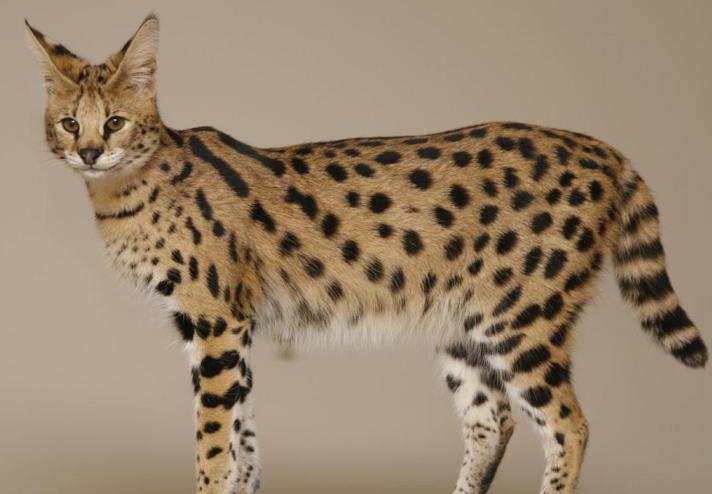
Cat's and Taste
A cat's sense of taste is built for meat, not variety. Cats carry far fewer taste buds than we do, they cannot taste sweetness at all, and much of what they seem to "taste" actually reaches them through smell and texture. That combination is why a cat can eat a food happily one day and refuse it the next. It reads as fussiness, but it is usually chemistry doing its job. Understanding how the system works makes everyday feeding decisions simpler and helps you tell ordinary pickiness from a quiet sign that something is wrong.
The science of a cat's sense of taste
A cat's tongue carries only a few hundred taste buds, often quoted at around 470, compared with thousands in people. Fewer taste buds does not mean cats do not care about food. It means their priorities are different, and smell does more of the heavy lifting. 1
Cats still detect several core taste qualities, including salty, sour and bitter, but their taste system is tuned for an obligate carnivore. One important pathway is umami, which helps animals recognise savoury, meat-like cues. In cats, the umami receptor (Tas1r1 to Tas1r3) responds strongly to certain nucleotides, and amino acids can amplify that signal when paired with a nucleotide, a neat fit for a meat-based diet. 2
Cats cannot taste sweet, and that is normal
If your cat ignores sugary foods, it is not being contrary. Domestic cats and other felids have a broken sweet-receptor gene (Tas1r2), so the usual sweet receptor cannot form properly. In plain terms, sweetness is not a flavour they can reliably perceive. 3, 4
When cats seem interested in foods like ice cream, it is usually the fat, the aroma, the temperature or the texture drawing them in, not the sugar itself. 5
Smell does most of the tasting
For cats, aroma is often the deciding factor. They have vastly more odour-sensing cells than humans, and many sources estimate their sense of smell at roughly 9 to 16 times stronger than ours. That advantage helps them assess food before it touches the tongue. 6, 7
This is why warmed wet food, which releases more aroma, can suddenly become acceptable, and why a slightly stale bowl can be ignored even though it looks fine to you.
Pheromones are not in the food
A common myth is that cats "detect pheromones in their food" and are therefore drawn to certain brands. Pheromones are chemical signals animals produce and detect, mostly for communication. Cats do detect pheromones using a special structure called the vomeronasal organ (VNO), sometimes noticed when they make a Flehmen face, with lips parted and mouth slightly open. 8
Pheromones are not a standard feature of commercial cat food. What varies between foods is aroma (from fats, proteins and processing), texture, moisture, temperature, and how those cues combine for that individual cat.
Texture and moisture: the quiet deal-breakers
Many picky cats are responding to mouthfeel rather than flavour. Crunch size, gravy thickness, pate smoothness, and how the food sticks to the teeth can all matter.
Moisture is also part of the appeal. Wet foods carry more aroma and water, which can help some cats eat more readily, especially cats that do not drink much. If you are mixing wet and dry, keep bowls clean and remove leftovers promptly so smells do not turn sour.
Why cats reject food
Most refusals have plain, undramatic causes:
- The smell has changed: a different batch, a new storage container, food left out too long, or a fridge odour absorbed by uncovered wet food.
- The texture is not right: a reformulation, a different kibble size, or a switch from chunks to pate.
- Stress and environment: a new pet, visitors, loud noise near the feeding area, or a bowl placed beside the litter tray.
- Learned aversion: if a cat felt unwell after eating something, it may avoid that smell or texture later, even if the food did not cause the illness.
A practical feeding approach
You can work with a cat's senses instead of fighting them, and keep dinner from turning into a negotiation:
- Change foods slowly: blend the new food in over several days to reduce gut upset and sudden "this is not my food" rejection.
- Use aroma to your advantage: warm wet food slightly, not hot, or add a small spoon of warm water to lift the smell.
- Offer choice carefully: rotating a small set of tolerated textures can prevent rigid preferences, but constant novelty can also create fussiness in some cats.
- Keep the feeding spot calm: a quiet corner, a consistent routine, and clean bowls.
When picky is a health flag
In cats, reduced appetite can move from a bit off food to a genuine problem quickly, especially in overweight cats. If your cat eats significantly less than normal, stops eating, or shows other changes such as vomiting, diarrhoea, hiding, drooling, weight loss or bad breath, it is worth checking in with a veterinarian.
Nutrition matters more than flavour
Even though taste and smell guide what a cat will accept, the food still needs to meet feline nutritional requirements. One well-known example is taurine: cats cannot make enough of it themselves, so it must be supplied in adequate amounts in the diet. 9
If you are feeding a complete commercial diet, look for an adult maintenance or growth claim against a recognised standard, and be cautious about home-made diets unless they are formulated with a veterinary nutritionist.
The Bottom Line
Cats are not tiny connoisseurs judging dinner for novelty. Their world is built from scent, texture and a taste system shaped for meat. They have relatively few taste buds, they cannot taste sweet, and they lean heavily on smell to decide what is safe and worth eating. 1, 3, 6 Once you treat food as a bundle of cues, aroma, moisture, temperature and mouthfeel, most pickiness becomes easier to interpret, and feeding becomes calmer for both cat and human.
References
- Taste preferences and diet palatability in cats (Curvetpet; cites Davis et al., 1979, and related studies)
- Umami taste perception and preferences of the domestic cat (Felis catus), an obligate carnivore (Chemical Senses, Oxford Academic)
- Pseudogenization of a sweet-receptor gene accounts for cats' indifference toward sugar (Nature, 2005; PubMed)
- Why Cats Taste No Sweets (Scientific American)
- Why Cats Cannot Detect Sweet Tastes (Britannica video; Monell Chemical Senses Center explanation)
- Cat Senses: Smell (PAWS Chicago)
- How Much Better Is a Cat's Smell Than a Human's? (Biology Insights)
- What are Cat Pheromones and What Do They Do? (American Veterinary Society of Animal Behavior)
- Cat Nutrition (Pet Food Institute; discusses essential amino acids and taurine)

Dog lover and writer at My Pets Australia, sharing practical breed guides and care advice for Australian pet owners.