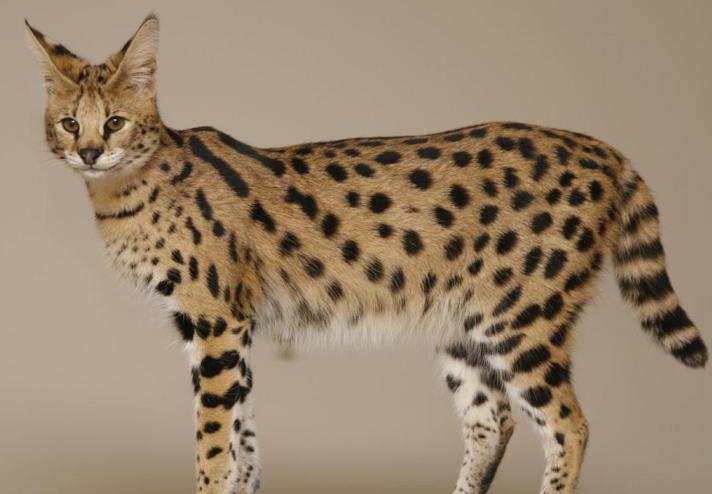
Cat Allergy? I'd rather have Malaria

Cat allergy is one of the most common animal allergies, and it usually announces itself the moment a cat enters your life: a partner moves in with one, the kids start campaigning for a kitten, or you finally work out why you wheeze at certain friends' houses. The good news is that it is well understood and, for most people, manageable. The proteins involved behave like fine dust that lingers and travels, so a clear diagnosis is worth the effort. With the right mix of avoidance, medicines and, for some people, allergen immunotherapy, symptoms can be kept in check, while ignoring it can worsen asthma control or lead to repeated flare-ups.1, 2
What a cat allergy actually is
A cat allergy is an immune reaction to specific proteins made by cats, not to the fur itself. The best known is Fel d 1, a major cat allergen produced largely in saliva and skin secretions. As cats groom, the allergen coats the fur and skin flakes, then travels on tiny airborne particles and settles through the home like grit.3, 4

The same allergen turns up in places with no cat at all, carried in on clothing and soft furnishings. In studies of the homes of people with asthma, cat allergen was detectable even where most households did not own a cat.5
Common symptoms
Cat allergy often looks like allergic rhinitis (hay fever) and conjunctivitis. Typical signs include:
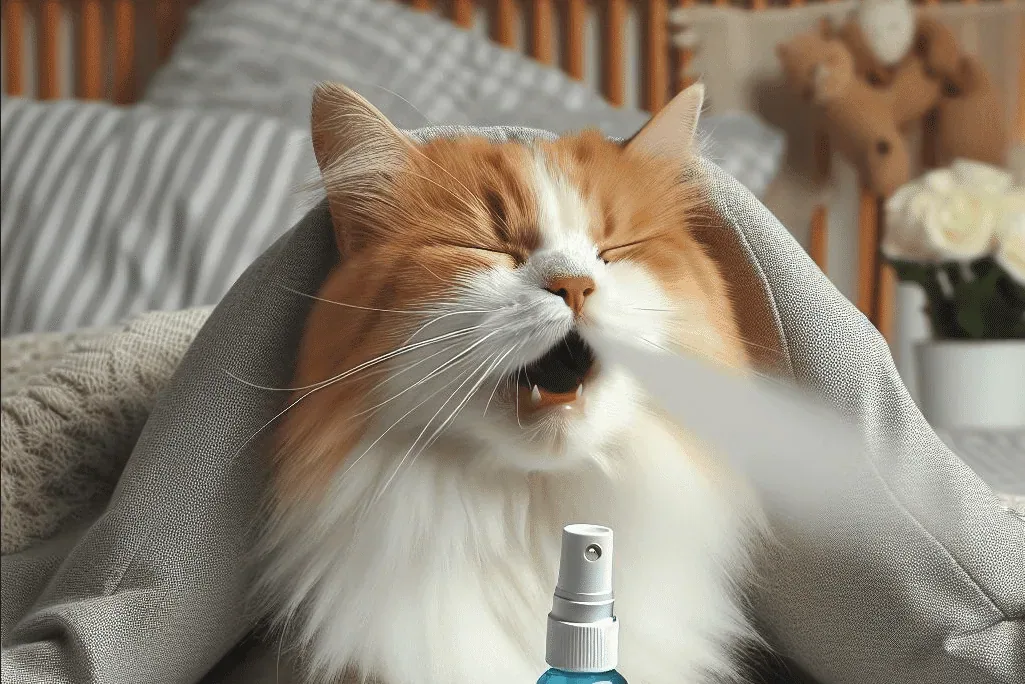
- sneezing, blocked or runny nose
- itchy, watery eyes
- cough, chest tightness or wheeze, especially if you have asthma
- skin symptoms such as itch or hives after contact
Symptoms range from mild irritation to asthma flare-ups that need urgent treatment. If cats reliably trigger wheeze, breathlessness or a nighttime cough, treat it as a respiratory issue rather than a nuisance.2, 6
Why reactions can keep happening after the cat is gone
Fel d 1 is persistent and sticky. It clings to carpets, couches, bedding and clothing, and levels can take months to fall after a cat is removed, particularly in carpeted homes and rooms full of soft furnishings.3
Diagnosis: confirming it without guessing
Cat allergy can mimic a cold, dust mite allergy, mould sensitivity or seasonal pollen allergy, so a proper assessment is worth the time. Clinicians usually combine your history (what happens, where, and how quickly) with allergy testing such as:
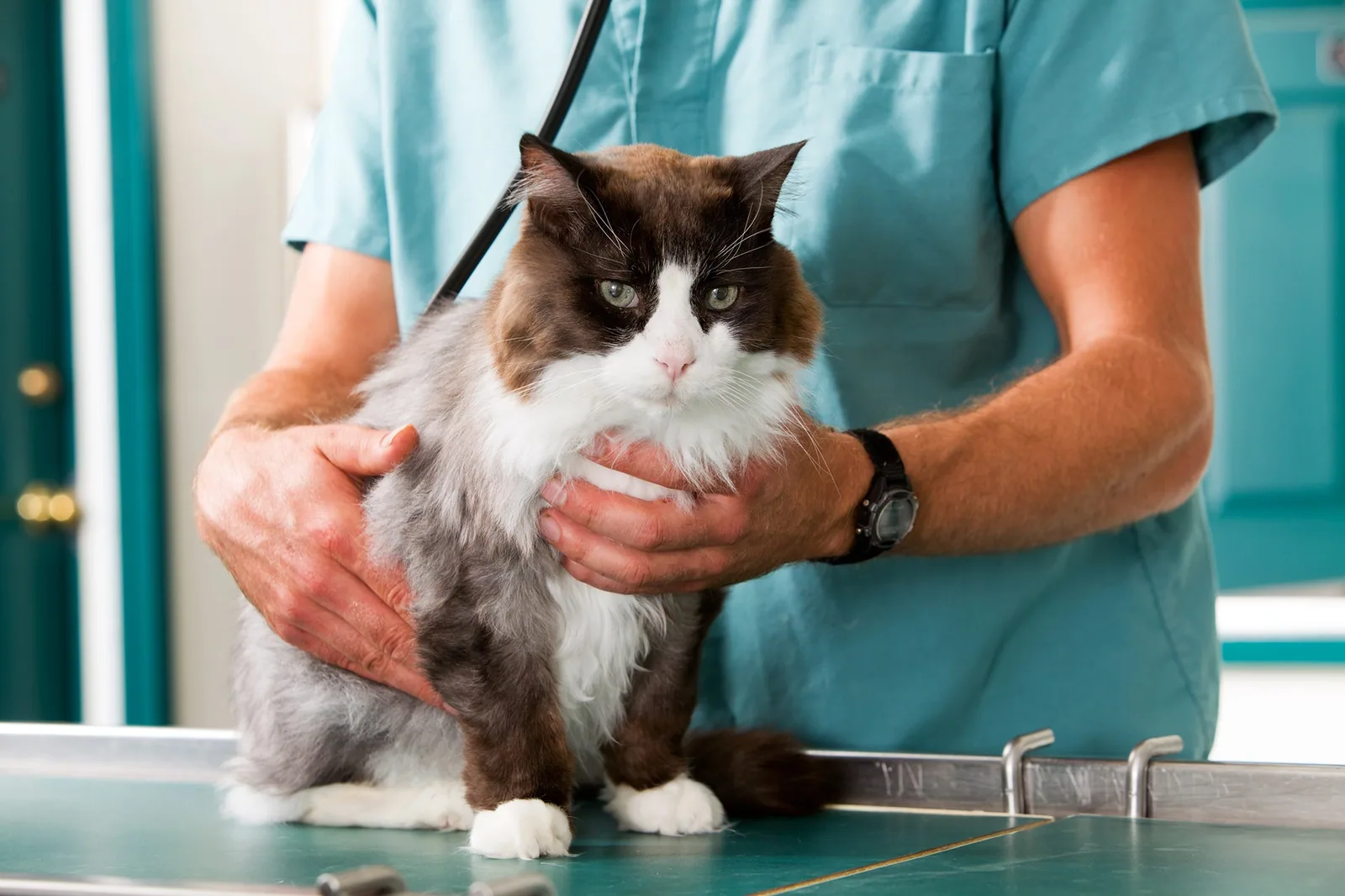
- Skin prick testing, often the quickest way to check sensitisation
- Blood testing for specific IgE, sometimes including component testing (for example, to Fel d 1) in selected cases4, 7
If you have asthma, mention cat exposure specifically. Cat sensitisation is strongly associated with asthma symptoms in many people, and it can change how your asthma is managed day to day.8
Managing symptoms day to day
The most reliable way to reduce symptoms is to reduce exposure to the allergen. Where that is not fully possible, aim for layered control: fewer allergens in the air and on surfaces, plus medicines that steady the immune response.
Reducing exposure at home
- Keep cats out of the bedroom and shut the door. The goal is one room where the air and bedding stay as low in allergen as possible.6
- Focus on soft furnishings. Wash bedding regularly, and consider cutting back on rugs, fabric throws and heavy curtains where allergens gather.6
- Vacuum with a HEPA-filter vacuum and dust with a damp cloth so you are not re-suspending particles.6
- Consider a HEPA air cleaner in the bedroom or main living area. It will not solve cat allergy, but it can lower airborne particles as part of a broader plan.6
Medicines that commonly help
For many people, symptom control works best when it is steady and preventive, not just reactive after exposure.
- Antihistamines can reduce sneezing, itch and runny nose.
- Intranasal corticosteroid sprays are often the single most effective treatment for persistent allergic rhinitis, especially nasal blockage.9
- Asthma medicines may need review if cats trigger wheeze or chest tightness. Uncontrolled asthma and allergen exposure are a risky pairing.2, 6
Decongestant sprays can briefly open the nose, but using them for more than a few days in a row can worsen congestion (a rebound effect). If you are reaching for them often, that is a sign your baseline treatment needs adjusting.6
Allergen immunotherapy (desensitisation)
Allergen immunotherapy aims to change how your immune system responds over time by giving carefully controlled doses of the allergen, usually over several years. It is generally considered when avoidance and standard medicines are not enough, or when symptoms significantly affect daily life.1, 10

It needs specialist oversight, because allergic reactions can occur and it is not suitable for everyone. If your symptoms are severe, or if cat exposure is unavoidable (shared custody, family members, a workplace), ask your GP about referral to an allergy specialist to discuss whether it fits your case.1, 10
Hypoallergenic cats and other common traps
No cat breed is truly non-allergenic. All cats produce allergens such as Fel d 1, and individual cats vary widely, which is why someone may react strongly to one cat and less to another. That variation is not a rule you can reliably buy your way into.3
When to get urgent help
Seek urgent medical care if cat exposure triggers significant breathing difficulty, rapidly worsening wheeze, or symptoms that do not settle with your usual asthma reliever plan. If you have asthma and notice it is consistently worse around cats, organise a review, because repeated flare-ups can quietly erode control over time.2, 6
The Bottom Line
Cat allergy is common, persistent and often underestimated, because it can look like just a runny nose. The biology is straightforward: airborne proteins such as Fel d 1 spread, stick and linger. A confirmed diagnosis, practical exposure reduction and the right medicines can bring the situation back into balance, and for a smaller group, allergen immunotherapy may be worth discussing.1, 2
References
- healthdirect (Australian Government): Allergen immunotherapy
- Mayo Clinic: Pet allergy (diagnosis and treatment)
- Thermo Fisher Scientific (Allergen Encyclopedia): Cat dander (e1) and Fel d 1 persistence
- PubMed: The major cat allergen, Fel d 1, in diagnosis and therapy
- PubMed: Major cat allergen (Fel d I) levels in homes of patients with asthma
- The Royal Children's Hospital Melbourne: Allergy and Immunology (includes inhalant allergen immunotherapy and specialist care context)
- Thermo Fisher Scientific (Allergen Encyclopedia): Fel d 1 (e94) component information
- PubMed: Fel d 1 as a major cat allergen and its role in allergic sensitisation (mechanistic study)
- American Academy of Family Physicians: Treatment of allergic rhinitis
- The Royal Children's Hospital Melbourne: Allergen desensitisation (pre-referral guidance and safety notes)

Dog lover and writer at My Pets Australia, sharing practical breed guides and care advice for Australian pet owners.