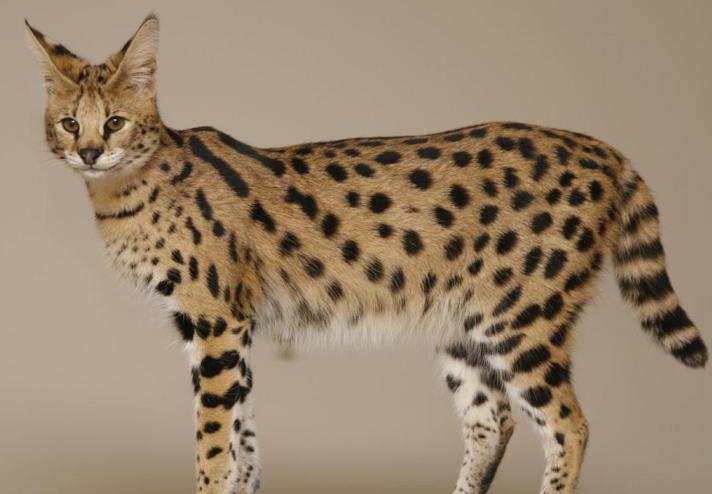
California spangled cat
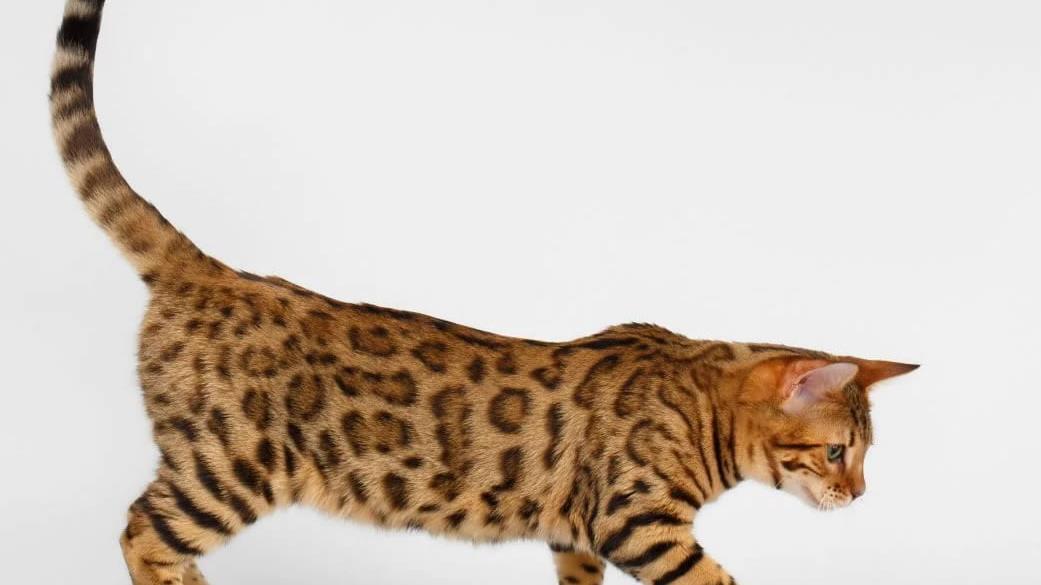
The California Spangled is a spotted domestic cat bred in the late 20th century to look like a small leopard, and that leopard-like coat is the whole reason most people go looking for it. It is a deliberately created breed, athletic and short-coated, with clear spots meant to echo a wild cat without any actual wild ancestry. It is also genuinely rare, so the honest headline is this: you are more likely to read about one than meet one. That rarity shapes everything, from how you would source a kitten to how much "breed-specific" advice really means in daily care. If the look is what draws you, it helps to know what is real about the breed and what is just a spotted moggy with a good marketing story.1, 2
History and Origin
The California Spangled was developed across the late 1970s and 1980s by Paul Casey. The project is commonly tied to a conservation message: the idea was to create a domestic cat with a leopard-like pattern that might shift public feeling towards protecting wild cats.1, 2
The early breeding program reportedly drew on several domestic breeds, and sources vary on the exact mix. The aim was a sleek, athletic body with distinct spotting. The breed had its moment of fame when it was promoted through a Neiman Marcus catalogue in the mid-1980s. That publicity never translated into large, lasting numbers, which is a big part of why the cat is so uncommon today.1, 2
Appearance and Physical Characteristics
California Spangled cats are described as medium-sized, athletic, and low-slung in movement, with a short coat carrying clear spots. Spot shapes vary and are often noted as round, square, triangular, or oval, and the overall look is meant to suggest a small wild cat without being a hybrid.1
Coat colour descriptions differ across sources. You will commonly see silver and charcoal mentioned, alongside warmer tones such as bronze and gold.1, 2
One caution on looks: spotted coats turn up in plenty of non-pedigree cats and in other breeds, so appearance alone cannot confirm a California Spangled. If someone is selling a "California Spangled kitten", ask for verifiable paperwork and traceable breeder history, and be ready for the real answer to be a spotted domestic cat.1
Temperament and Personality
Descriptions of temperament cluster around a few themes: alert, active, curious, and people-oriented. This is the sort of cat that keeps track of what is happening in the house and wants to be near it, often watching from a shelf or the top of a cat tree. These are generalisations, though. Individual temperament is shaped by early handling, environment, and daily routine as much as by genetics.1
Is a California Spangled Right for You?
For most people, honestly, the practical answer is that you will not find a verified one. Because the breed is uncommon, the most important decision is sourcing rather than care. Be cautious of listings that lean on rarity and photos but cannot provide verifiable lineage or health information. If you cannot confirm authenticity, choose the cat in front of you on its temperament, health, and fit for your household, not on the label.1
If you are open to adoption, many shelters and rescues in Australia have active, spotted domestic cats that will thrive on the same enrichment and routine care, without the uncertainty about where the cat actually came from.
Care and Housing
Treat activity like a daily maintenance job, because this is an athletic type. Short, frequent play sessions suit most cats better than one long burst, so think stalk-and-chase toys, wand toys, and food puzzles spread through the day. Vertical territory matters just as much: shelves, cat trees, and window perches let an active cat move through the house the way it wants to.3
Diet and Nutrition
Feed a complete and balanced commercial cat food suited to your cat's age and health, and keep the portions honest. A mix of wet and dry can be useful, especially for supporting hydration, and fresh water should always be available.3
Most indoor cats gain weight slowly, so build structure in early. Measured meals, limited treats, and food-enrichment such as puzzle feeders or scattered feeding work far better than leaving a full bowl down all day.3, 4
Health and Lifespan
There is no strong, widely published body of breed-specific health data for California Spangled cats, mostly because the breed is rare. In practice, focus on the common pressures seen across all domestic cats: weight gain, dental disease, urinary issues, and preventable problems that creep in when routine care slips.3
Extra weight erodes quality of life in small ways first, such as reluctance to jump, less self-grooming, and poor heat tolerance, before it shows up as joint strain and wider health complications. Use body condition scoring with your vet and adjust food before "a little roundness" becomes the new normal.4, 5
Dental disease is widespread in cats and often advances quietly. If you notice bad breath, red gums, dropped food, or chewing on one side, book a vet check rather than trying to manage it with diet tweaks alone.6
Grooming and Care
A short coat usually needs only light brushing to lift loose hair and let you check skin condition. The higher-impact grooming jobs are the quiet ones: nails, ears only as your vet advises, and keeping an eye on dental health.3
Training and Socialisation
Training works best when it looks like play. Reward-based methods using treats, toys, or pats if your cat values them can shape useful behaviours such as coming when called, entering a carrier calmly, or tolerating gentle handling for checks. Keep sessions short, end early, and repeat often.
For socialisation, move at the cat's pace. Introduce new people, pets, and spaces gradually, with escape routes and high perches available so the cat can observe without feeling cornered. A calm environment builds confident behaviour more reliably than forced interaction.
A Few Things Worth Knowing
- What it is: an experimental, rare domestic breed created to resemble a small wild cat, the "miniature leopard" look.1
- Availability: uncommon, with few if any established breeders in Australia, and many cats marketed under the name are likely spotted mixed-breeds.1
- Recognition: reported as having limited or experimental recognition rather than broad acceptance by major registries.1
- Myth check: Mr Bigglesworth from Austin Powers is not a California Spangled. That character is a hairless cat, usually linked to the Sphynx type rather than a spotted breed.7
The Bottom Line
The California Spangled sits in an unusual corner of cat history: a purposeful attempt to bring the visual language of wild cats into a domestic companion, without crossing into true hybrid breeding. If you ever find a genuine one, expect a bright, active cat that does well with structure, climbing space, and play that mimics hunting, plus the unglamorous basics that keep any cat well: measured feeding, dental vigilance, and regular vet care. For most Australian homes, a spotted cat from a shelter delivers the same energy without the questions about provenance.1, 3
References
- Wikipedia: California Spangled
- Encyclopaedia Britannica: California spangled cat
- RSPCA Knowledgebase: What should I feed my cat?
- RSPCA Knowledgebase: How can I tell if my cat is overweight?
- WSAVA: Global Nutrition Toolkit (including body condition scoring)
- WSAVA: Dental Guidelines for Dogs and Cats
- Encyclopaedia Britannica: Austin Powers (film series)
- FOUR PAWS Australia: How can you help overweight pets?

Dog lover and writer at My Pets Australia, sharing practical breed guides and care advice for Australian pet owners.