Buying a pet online
Buying a pet online can genuinely work, and for many Australians it is the easiest way to compare breeds, ages and locations, and to find responsible breeders and rescue groups in one place. The catch is that the same convenience makes it easy for scammers and careless sellers to look legitimate for just long enough to take a deposit. The real risks are not only losing money, but ending up with an unwell animal, supporting poor breeding, or paying for a "pet" that does not exist. None of that means you should avoid online listings. It means treating them as a place to find a pet, not a place to buy one blind.
The pros and cons of buying a pet online
Online listings make it simple to shortlist by breed, age and location, and they are a reasonable first step towards finding responsible breeders and reputable rescues. The internet is also where many scams and irresponsible sellers operate, precisely because a convincing ad is cheap to fake.
The biggest drawback is straightforward: you cannot accurately judge health, behaviour or living conditions from photos. Even an honest seller can miss early signs of illness, and a dishonest one can hide them. The safest approach is to use online browsing as a way to find a pet, then verify everything in person before any money changes hands.4, 5
Never buy a pet sight unseen
If a seller will not let you meet the animal where it is being kept, treat that as information being withheld rather than a minor inconvenience. Seeing the pet in person lets you check its condition, watch how it moves and breathes, and see whether the place it is raised in looks clean, roomy and calm.4, 5
A visit is also your best chance to spot obvious signs of illness, such as a dull coat, heavy discharge from the eyes or nose, persistent coughing, diarrhoea or unusual lethargy. It helps you judge whether the pet suits your household too, not through personality tests but by observing what is in front of you: energy level, handling tolerance, and how the animal settles after a few minutes in a familiar space.
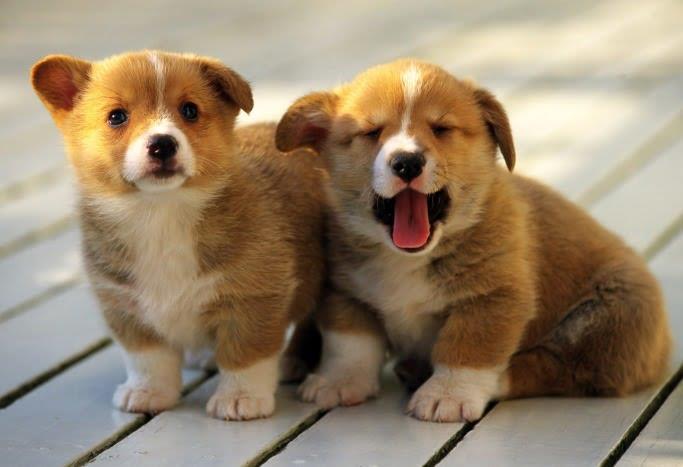
For puppies and kittens, age matters. A common red flag in online ads is "ready at six weeks". Reputable sellers do not rehome that early, and waiting until at least eight weeks is widely recommended to support weaning and early development.4, 5
How to research a reputable seller
There is no single checklist that fits every state and territory, but reputable sellers tend to look the same in practice: easy to identify, easy to contact, consistent, and in no hurry.
Quick credibility checks
- Identity and traceability: a real name, a verifiable phone number, and a physical address you can visit, not "meet in a carpark".4, 5
- Breeder identification (where required): in NSW, a breeder identification number is part of the official advice for checking legitimacy, and it has become mandatory for breeders from 1 December 2025.2
- Paperwork they can actually show you: microchip details, vaccination records, parasite control history, and, for some breeds, evidence of relevant genetic testing, not vague claims.4, 5
- Consumer guarantees still apply: pets sold by a business come with consumer rights, and state consumer agencies publish guidance on what to do if something goes wrong, including when you found the animal online.1, 2
Questions worth asking
- How old is the animal, and what date of birth is on its records?
- Can I meet the mother, and if possible the father, where the litter was raised?
- What vaccinations have been given, on what dates, and by which clinic?
- What has the animal been eating, and what routine is it used to?
- What support do you offer if the animal is unwell shortly after purchase?
If you feel pushed to pay quickly, treat that as data. Responsible sellers usually ask you plenty of questions too.4, 5
Reading the listing: green flags
- Clear age and rehoming date, not "ready now" with no details.
- Microchip information and vaccination status stated plainly, with an offer to show documents.
- Multiple photos or video that are consistent: same environment, same animal, normal lighting.
- A willingness to arrange an in-person visit before money changes hands.4, 5
Red flags that often point to scams or poor welfare
- "Delivery can be arranged" offered as the default, especially interstate, without meeting first.4, 5
- Pressure to pay by bank transfer or money transfer, or requests for extra "shipping, crate or insurance" payments.6, 7
- A price that is far below normal for a high-demand breed. "Too good to be true" is often exactly that.6, 7
- Stories about being overseas or "moving suddenly", paired with urgency and payment demands.3, 6
Avoiding scams and unethical sellers
Pet scams tend to follow a familiar pattern: a convincing ad, a believable story, then a request for payment before you have met the animal. Once money is sent by hard-to-reverse methods, it can be very difficult to recover.3, 6
Practical ways to protect yourself
- Insist on meeting first, and ideally on seeing the mother and the environment for puppies and kittens.4, 5
- Be cautious with deposits, especially "non-refundable" deposits demanded early in the conversation.4
- Slow down if "transport fees" appear. This is a common scam lever: pay for delivery, then pay again for "insurance", "crate", or "customs or quarantine".3, 6
- Search the exact wording of the ad. Reused scam text often shows up elsewhere.3
- Keep screenshots of the listing and messages if you suspect fraud, and report it through Scamwatch.3
The legal and ethical picture in Australia
Australia does not have one single national rulebook for selling pets. Requirements vary by state, territory and council, and they can differ again depending on whether the seller is a business, a registered breeder, or a private rehoming. Two points are consistent across reputable guidance.
- Consumer rights can apply when you buy from a business, including if the animal is sold with significant undisclosed health issues. State consumer agencies publish guidance on your rights and next steps.1, 2
- Welfare matters at the point of sale. When buying sight unseen normalises poor breeding and poor handling, the harm does not stop at one transaction. That is why major animal welfare organisations strongly discourage buying without meeting first.4, 5
Shelter adoption versus buying online
Adoption through shelters and established rescue groups usually gives you more transparency. You meet the animal, staff can tell you what they have observed, and many animals are already desexed, vaccinated and microchipped as part of the process. You also have somewhere to call if early settling-in problems appear.
Buying online can sometimes be the route to a specific breed or age, but it places more responsibility on you to verify identity, welfare standards, and the reality behind the listing. If you do use online listings, it is safest to treat them as introductions, not as a checkout page.5
Transport and delivery
Long-distance transport is stressful for many animals, and it can hide problems until the pet arrives. If a seller suggests delivery as the default, pause and reassess. Responsible breeders and rescue groups generally want to meet you and see that the match is suitable before the animal leaves their care.4, 5
If transport is genuinely necessary
- Ask who is transporting the animal, how long the trip will take, and what happens if there are delays.
- Get written confirmation of the animal's microchip number and vet records before travel.
- Plan a vet visit soon after arrival, even if the animal appears well.
A note on "overseas delivery" claims
Scammers sometimes claim an animal can be shipped from overseas quickly. In reality, importing cats and dogs into Australia is a regulated process that typically requires substantial lead time, often months, plus post-entry quarantine arrangements through the Australian Government system.3, 8
Final thoughts
The quiet test of a safe online pet purchase is whether it still feels safe once you remove the urgency. A legitimate seller can wait for you to visit, to check records, to ask awkward questions, and to think overnight. Use online ads to widen your search, then bring the decision back to real life: meet the animal, confirm identity, check documents, and only then talk money.
References
- Western Australia Department of Energy, Mines, Industry Regulation and Safety, A guide to consumer rights when buying a pet
- NSW Government, Buying a pet (consumer rights and tips to avoid online pet scams)
- Scamwatch (ACCC), Puppy love and the fake classified ad
- RSPCA Australia, Four red flags to watch for when looking for a pet online
- RSPCA Knowledgebase, Red flags when looking for a dog or cat online
- Scamwatch (ACCC), Pause to avoid a puppy scam
- Scamwatch (ACCC), Pedigree pups at prices too good to be true
- Australian Government Department of Agriculture, Fisheries and Forestry, Import permits for cats and dogs coming to Australia

Dog lover and writer at My Pets Australia, sharing practical breed guides and care advice for Australian pet owners.