Burmilla Cat
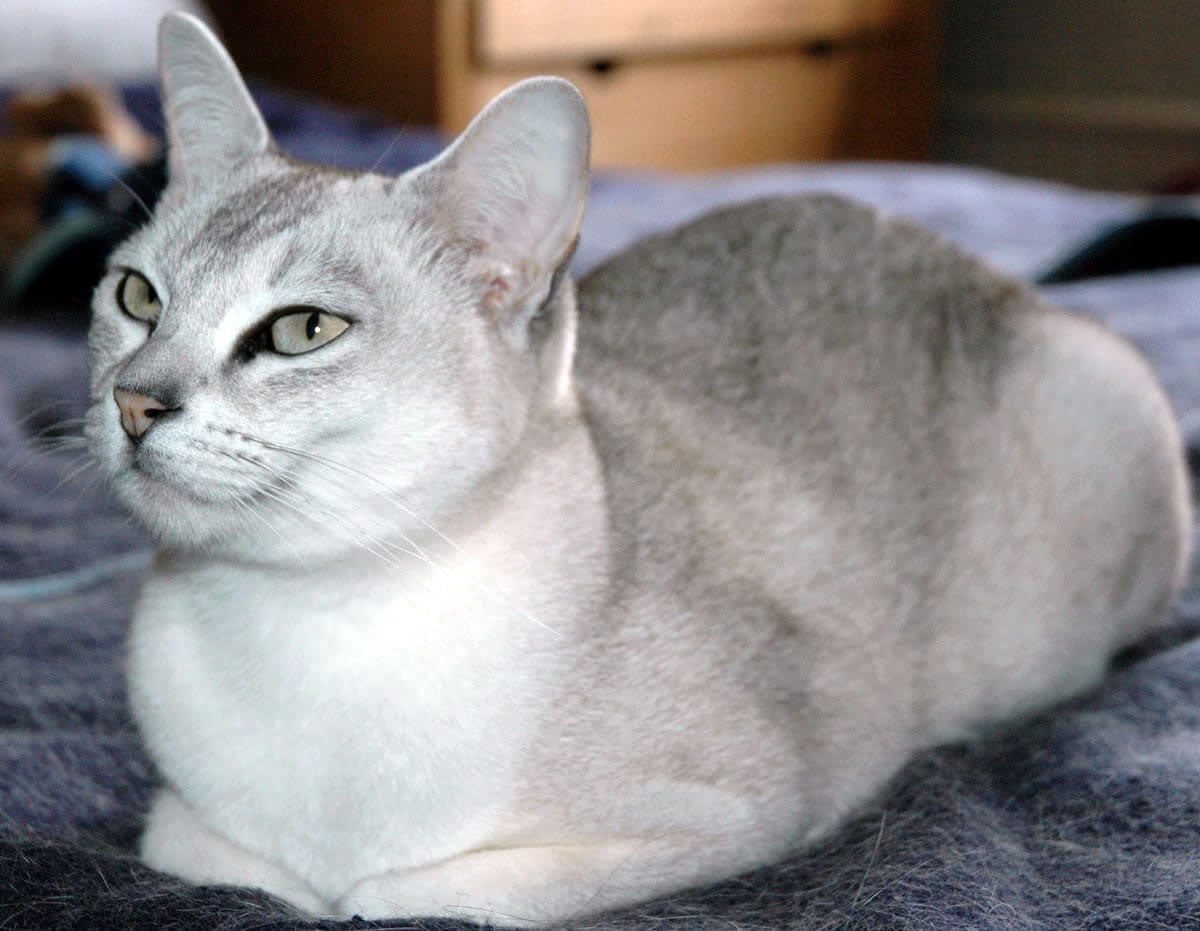
The Burmilla is a medium-sized cat with a pale coat tipped in colour and dark outlining around the nose, lips, and eyes that reads almost like applied make-up. It is friendly, playful, and easy to live with, which is a big part of why people take to it so quickly. It is a relatively young pedigree, and its standards are well documented by the major cat registries. The coat is often called easy-care, and it mostly is, though "easy" still means a weekly brush and steady preventive care. If you want a sociable cat that stays curious into adulthood without demanding constant attention, it is worth a look.1, 2
Quick breed snapshot
- Size: Medium
- Typical adult weight: around 3 to 6 kg, with some adult males heavier2
- Coat: shorthair and longhair varieties, the longhair often described as semi-longhair3
- Colours: silver and golden shaded or tipped varieties, with recognised colours set by registry standards. Not every registry recognises every colour.3, 4
- Temperament: commonly described as sociable, playful, and affectionate, and typically not overly demanding2, 5
- Shedding: like all cats, they shed, with the amount varying by coat type and season. Weekly grooming is commonly recommended.2, 5
History and Origin
The Burmilla began in the United Kingdom in 1981, after an accidental mating between a Chinchilla Persian and a lilac Burmese. The kittens' shaded silver look held steady enough that a breeding programme followed, and over time the Burmilla became established as a recognised pedigree breed across multiple registries.2, 5
Appearance and Physical Characteristics
A Burmilla is built on a medium, muscular frame, elegant rather than bulky. The defining impression is contrast: a pale undercoat, darker tipping or shading over it, and dark outlining around the nose, lips, and eyes.2, 3
Not all Burmillas are short-coated. Both shorthair and longhair Burmillas are recognised by major registries, and longhair kittens can appear because of the Persian ancestry. Longhair Burmillas are often described as semi-longhair, with a softer, flowing coat and more tail plume than the shorthair variety.2, 5
Green is the hallmark eye colour in breed standards. Any shade of green is typically accepted, with some allowance for a yellowish tinge in kittens and young cats. In some varieties, such as red, cream, or tortie under certain standards, other eye colours may be permitted.3, 4
The pattern is usually described by how much colour sits at the end of each hair. In tipped coats the coloured portion is smaller. In shaded coats it extends further down the hair shaft, creating a deeper veil of colour across the back and flanks. Registries differ on which colours are recognised, so it is worth checking the standard used by your local cat council if showing or breeding matters to you.3, 4
Temperament and Personality
Living with a Burmilla often feels like sharing space with a cat that stays bright and curious well into adulthood, with alert eyes, quick paws, and a habit of following household activity from room to room. Breed descriptions commonly note a sociable, playful nature, balanced with enough independence to settle when the home is quiet.2, 5
Temperament still varies by individual, early handling, and the home environment. Meeting the parents where possible, and watching how a kitten responds to ordinary sounds and gentle handling, tells you more than any label on a listing.
Is a Burmilla Right for You?
In many homes the Burmilla fits neatly into family life: affectionate without being constantly insistent, playful without staying frantic all day. It is often described as getting on well with respectful children and other pets when introductions are handled properly. For a first pedigree cat, it is a sensible choice.2, 5
The honest caveats are small but real. This is not a set-and-forget cat: boredom can lead to nuisance behaviour, so plan on daily interaction and enrichment. Shedding still happens, and longhair coats can mat if neglected. And health is never guaranteed with any pedigree, so choose breeders who screen and keep preventive care consistent.2, 6, 7
Training and Exercise
A Burmilla usually thrives on a home that gives it something to do: climbing, chasing, stalking, perching, and watching the world from a safe height. Daily play sessions help keep the body lean and the mind occupied, especially for indoor cats.7
If you want training, think in cat-sized goals: coming when called for a treat, settling on a mat, using a carrier calmly, and accepting gentle handling. Short, reward-based sessions work best.
Health and Lifespan
The Burmilla is often described as generally healthy, but no pedigree cat is free of risk. Reputable sources note that health problems seen in the foundation breeds can still appear, which is why responsible breeders use screening to reduce the chance of passing on inherited disease.2, 5
A few practical checks apply to any Burmilla in any home:
- Ask what testing has been done, and ask to see results in writing where available, especially for conditions known in Burmese and Persian lines.
- Book an early vet visit after adoption for a baseline exam, parasite control, and a conversation about diet, weight, and dental care.6
- Watch weight and urinary habits. Changes in appetite, drinking, or litter-tray routine are early clues that deserve attention.
Grooming and Care
The Burmilla coat is relatively easy-care, but easy still means routine. A weekly brush is a sensible baseline for most cats, with more frequent grooming during seasonal shedding or for longhair individuals. Grooming is also when you quietly notice the small things, new lumps, dandruff, fleas, or sore spots, that are easier to address early.2, 5
Keep nails trimmed, provide scratching surfaces, and stay on top of dental care. Regular tooth brushing where the cat will tolerate it, along with veterinary dental advice, matters more than most first-time owners expect.6
The Bottom Line
The Burmilla is a cat of soft contrasts: a pale coat and dark tipping, bright green eyes, and a calm presence punctuated by sudden play. Get the basics right, meaning good food, a steady routine, grooming, enrichment, and vet care, and this breed tends to settle into a household easily, always watching and happy to trot over and be part of whatever happens next.2, 6
References
- Australian Cat Federation (ACF), Australian Cat Federation Inc.
- Cat Fanciers' Association (CFA), Burmilla (breed information and standard excerpt)
- Australian Cat Federation (ACF), Burmilla Standard (Amended June 2023) (PDF)
- Governing Council of the Cat Fancy (GCCF), Asian (including shaded and tipped varieties) Standard of Points (PDF)
- Purina UK, Burmilla cat breed information
- RSPCA Knowledgebase, How often should I take my cat to the vet?
- RSPCA Knowledgebase, How can I prevent my cat from being bored?
- WSAVA, Global Nutrition Guidelines
- WHISKAS UK, Burmilla cat breed overview

Dog lover and writer at My Pets Australia, sharing practical breed guides and care advice for Australian pet owners.