British Shorthair Cat
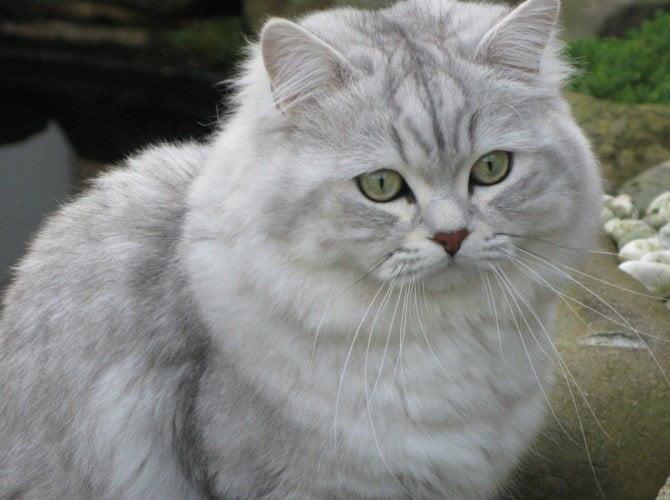
The British Shorthair is one of the easiest cats to live with. It is built like a small, plush tank, with a dense coat, heavy bone, a round head and a steady temperament that rarely gets ruffled. Most are affectionate without being clingy, adaptable enough to suit households with children or other pets, and content to sit near you rather than on you. They are also prone to weight gain and carry a few inherited health issues worth understanding before you commit.1, 2, 3
Size: Medium to large (adult males commonly heavier than females)1, 2
Coat: Short, very dense, plush; many colours and patterns accepted1, 3
Temperament: Generally calm, patient, people-oriented but not clingy1, 3
Lifespan: Often around the mid-teens; some live longer with good care1, 3
Grooming: Usually low effort; weekly brushing suits most cats3
Health watch-outs: Weight gain and obesity risk; hypertrophic cardiomyopathy (HCM) in the breed; polycystic kidney disease (PKD) is managed through DNA testing in many lines1, 4
Activity level: Moderate; enjoys short bursts of play, then long rest periods1, 3
Shedding: Moderate; often heavier during seasonal coat changes3
Trainability: Responds best to gentle routines and positive reinforcement (short sessions, small rewards)3
History and Origin
The British Shorthair descends from Britain's traditional shorthair cats, later developed into a recognised pedigree type. Early cat shows in the UK featured "English Shorthair" cats, the forerunners of today's British Shorthair, and the modern breed has been refined through selective breeding for its compact, rounded build and dense coat.1
They are also slow to mature. Many do not reach full physical development until several years of age, which partly explains the solid, settled look adults carry so well.2
Appearance and Physical Characteristics
A British Shorthair should look compact and powerful rather than long and rangy: broad chest, sturdy legs, rounded paws, and a thick tail with a rounded tip. The head is notably round with full cheeks and large, round eyes. The coat is short, upright-feeling and very dense, more plush blanket than silky slip.1, 2
Colour is not just "British Blue". Blues are iconic, but the breed exists in a wide range of colours and patterns, depending on the registry and breeding lines.1, 3
Temperament and Personality
Most British Shorthairs move through a home with quiet certainty. They tend to form strong bonds, often choosing to stay near their people rather than on their people. Many are tolerant companions for households with children and other animals, provided introductions are slow and respectful.1, 3
They are not usually a vocal breed. Instead they watch routines, learn the rhythm of meal times, and make themselves present: steady, unhurried, and difficult to fluster.1
Is a British Shorthair Right for You?
This is a breed for people who value steadiness over spectacle. If you want a cat that will be near you most days, cope with routine, and bring a calm presence to a household, the British Shorthair often fits well. It is a good match for families, for quieter homes, and for owners who would rather not referee curtain-climbing at 2 am.
Before you commit, ask breeders (or rescues) direct questions about health screening, temperament, and how kittens are raised. For a breed with a long lifespan and a tendency to put on weight, small early decisions tend to echo for years.1, 5
Care and Housing
British Shorthairs are low-maintenance day to day, but they do best with a settled routine and safe access to the outdoors. Because they can be trusting and not especially streetwise, unsupervised roaming carries real risk: cars, dogs, fights with other cats, poison baits, and infectious diseases. In Australia, many animal welfare and government sources recommend containing pet cats to your property, fully indoors, in a secure outdoor enclosure ("catio"), or with escape-proof fencing, paired with enrichment inside.7, 8
If you want to give your cat outdoor time, aim for safety first:
- Secure enclosure or catio: lets your cat smell the air and watch birds without roaming.7, 8
- Escape-proof yard fencing: can work in some homes, but needs careful design and maintenance.9
- Supervised harness time: suits some cats, not all; slow training helps.9
Training and Exercise
British Shorthairs prefer play in short, purposeful bursts. Think stalking games rather than marathon running: wand toys, tossed soft toys, or food puzzles that reward a few minutes of effort. A few short sessions across the day suit most cats better than one long one.
Training is possible, but it is usually about calm cooperation rather than tricks: coming when called, entering a carrier without a fight, tolerating nail trims. Keep sessions brief, reward generously, and stop before your cat is bored.3
Health and Lifespan
British Shorthairs are often described as robust, but "robust" can hide two practical realities: they gain weight easily, and some inherited conditions occur within the breed. Regular vet checks, sensible feeding, and choosing a responsible breeder matter more than the breed's reputation.
Weight gain and obesity risk
The British Shorthair's solid frame and slower metabolism can make extra weight creep on quietly, especially in indoor cats with easy access to calorie-dense treats. A practical tool many vets use is the 9-point Body Condition Score (BCS), where the goal for most cats is around 4 to 5 out of 9, and health risks tend to rise as scores climb above that range.5
Small changes help most:
- Measure meals rather than free-feeding.
- Use food puzzles or scatter feeding to slow eating.
- Keep play frequent and short (a few minutes at a time, several times a day).
Heart disease (HCM)
Hypertrophic cardiomyopathy (HCM) is a heart disease seen in cats, where the heart muscle thickens. It can occur in any cat, including British Shorthairs, and may be silent until it is advanced. Some breed bodies note HCM as a concern in the British, and there is currently no single breed-wide DNA test that rules it out in British Shorthair lines.1, 4
If you are buying a kitten, ask what screening the parents have had (for example, cardiac ultrasound or echocardiography performed by a veterinarian with relevant experience) and how often it is repeated as the cats age.
Kidney disease (including PKD)
Chronic kidney disease is common in older cats generally, regardless of breed, and is one reason routine senior health checks matter. Early disease can be subtle, with gradual weight loss, increased thirst, and changes in appetite, so it is worth discussing baseline blood and urine testing with your vet as your cat ages.6
Within British Shorthair breeding lines, polycystic kidney disease (PKD) was historically a concern, but many responsible breeders now use DNA testing to reduce the risk in kittens.1
Grooming and Care
The coat is short but dense, so it sheds. Weekly brushing is usually enough to lift loose hair and keep the coat looking plush. During heavier shedding periods, a couple of shorter brushing sessions each week can reduce hairballs and stray fur on furniture.3
Dental disease is common in pet cats, so ask your vet about home dental care (if your cat tolerates it) and what to look for between check-ups: bad breath, drooling, pawing at the mouth, or dropping food.
Diet and Nutrition
Choose a complete and balanced cat food suitable for your cat's life stage, and adjust portions to keep an ideal body condition. Your vet can help you set a target weight and calorie plan, especially after desexing, or if your cat is indoor-only and less active.5
A Few Things Worth Knowing
- They mature slowly, so that settled adult look can take a few years to arrive.2
- The British Shorthair look, round face, dense coat, steady expression, often gets used as shorthand in illustration and advertising. That does not mean every famous fictional "grinning cat" is a British Shorthair; many depictions are artistic and not tied to a real breed standard.1, 2
- When choosing a pet, trust breed standards and health screening over pop culture resemblance.
The Bottom Line
The British Shorthair is a calm, affectionate, low-drama cat that fits most households well and asks for little beyond a good routine and sensible feeding. The two things to stay on top of are weight and inherited health risks, so buy from a breeder who screens their lines, keep meals measured, and book regular vet checks. Do that, and you have a steady companion for well over a decade.1, 5
References
- The Governing Council of the Cat Fancy (GCCF), British (British Shorthair/Longhair) breed information
- Cat Fanciers' Association (CFA), British Shorthair breed standard overview
- The International Cat Association (TICA), British Shorthair breed information
- UC Davis, Hypertrophic cardiomyopathy (HCM) in cats background
- WSAVA Nutritional Assessment Guidelines (open access via PubMed Central)
- Six-month feeding trial in cats with early chronic kidney disease (PubMed)
- RSPCA Pet Insurance Australia, Why you should keep your cat indoors
- RSPCA NSW, Keeping cats safe at home (containment options)
- Agriculture Victoria (Animal Welfare Victoria), Keeping your cat safe at home (updated 28 Jan 2026)

Dog lover and writer at My Pets Australia, sharing practical breed guides and care advice for Australian pet owners.