British Blue Shorthair: A Comprehensive Guide to This Charming Feline Breed
The British Blue Shorthair is the classic blue-grey version of the British Shorthair, a compact, plush-coated cat known for being calm, quiet and easy to live with. It is one of the most recognisable pedigree cats in the world, with a rounded face, big copper eyes and a coat that feels more like thick velvet than sleek fur. It is affectionate on its own terms rather than clingy, which suits people who want company without a cat that demands the room. Two things are worth knowing up front: the breed matures slowly, and it puts on weight easily, so measured meals and regular play matter. Responsible breeding also makes a real difference to long-term health.1
British Blue vs British Shorthair: what the name means
"British Blue" is really just the blue (solid grey) colour variety of the British Shorthair. It is the best-known look, but British Shorthairs come in many other colours and patterns too, and eye colour can vary with the coat. Colourpointed cats, for example, have blue eyes rather than the copper or gold seen in most blues.1
History and Origin
The British Shorthair is one of Britain's long-established pedigree breeds. It was developed from sturdy British domestic cats and refined through organised breeding in the late 19th century, and modern breed standards still emphasise a compact, powerful body and a short, very dense coat.1, 2
You will sometimes see the breed linked directly to Roman-era cats in Britain. That is a plausible bit of background for British domestic cats in general, but the recognisable British Shorthair as a pedigree breed is a more recent, documented development tied to cat shows and breed standards.1, 2
Appearance and Physical Characteristics
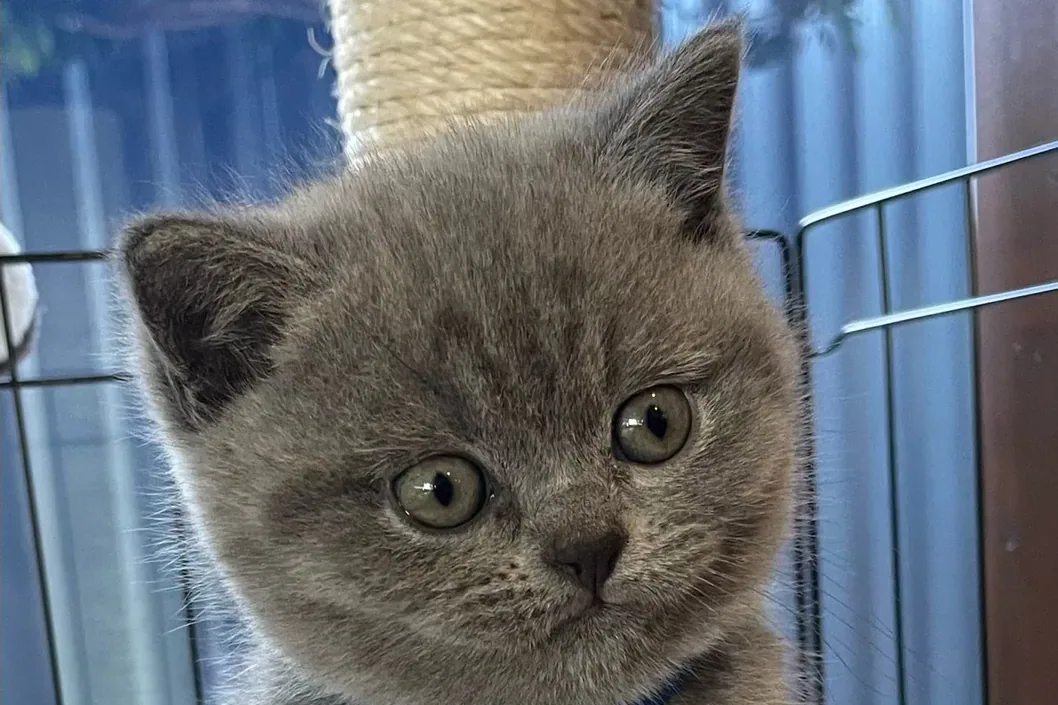
The British Blue is the classic blue version: a solid, even blue-grey coat, a rounded head and full cheeks that become more pronounced in mature males. The build is compact, powerful and broad-chested, with short to medium strong legs and rounded paws. The overall look is sturdy and balanced rather than fine-boned.1, 2
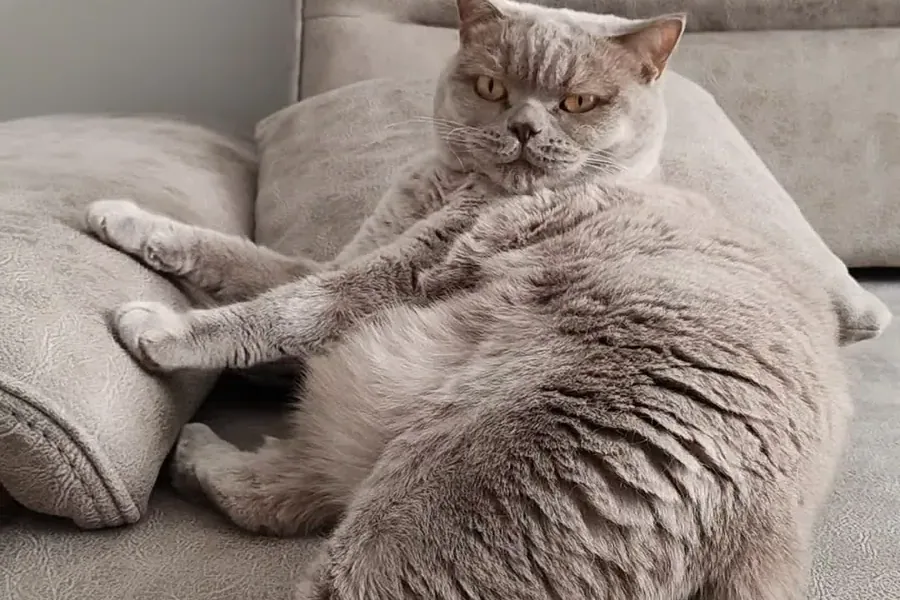
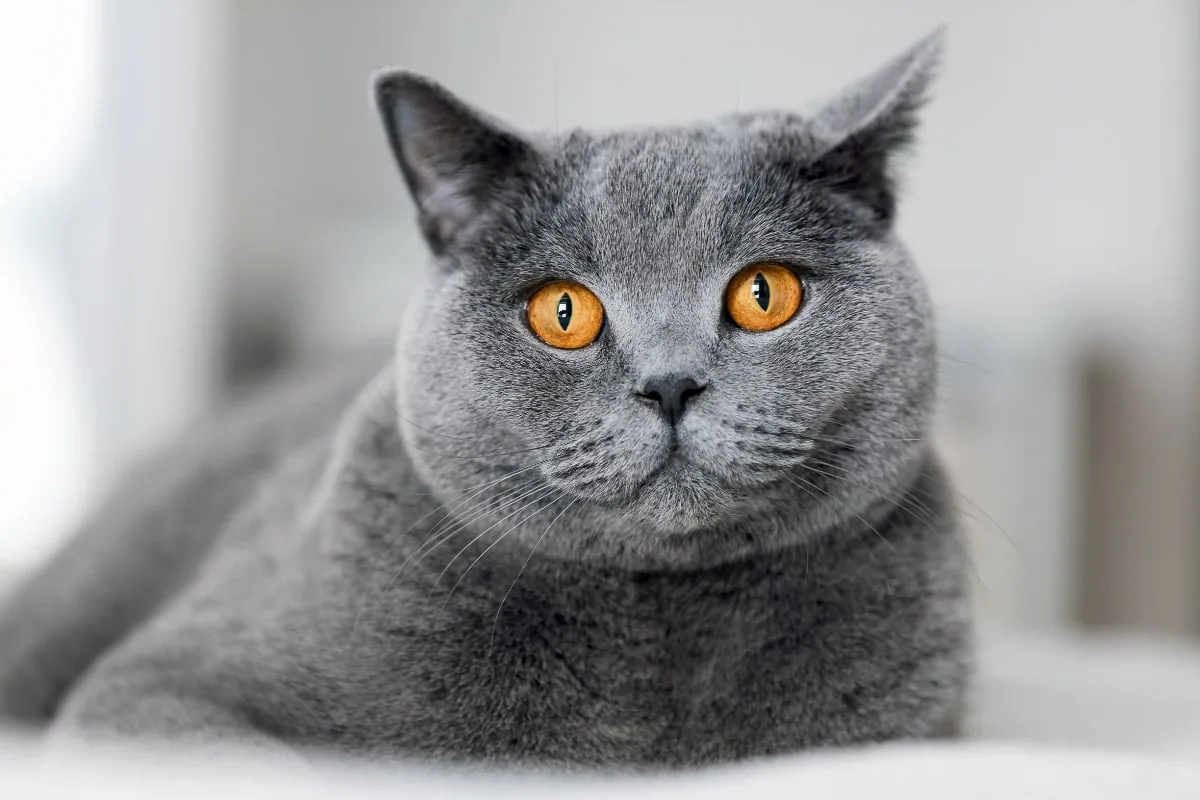
The coat is the defining feature: short, very dense and plush, almost springy under the hand. The eyes are large and round, and copper or gold is common in blues, though not universal across every colour and pattern in the wider breed.1, 2
Adults are a fair size. Males commonly sit around 4.1 to 7.7 kg and females around 3.2 to 5.4 kg, varying by line and individual. The breed is also slow to mature and may take up to about five years to reach full physical maturity.1, 2
Temperament and Personality
Living with a British Shorthair is usually a low-drama affair. They tend to be steady, quiet companions, not a highly vocal breed, often patient and tolerant, and as adults a little inclined to loafing about. They form strong bonds with their people without demanding constant attention.1
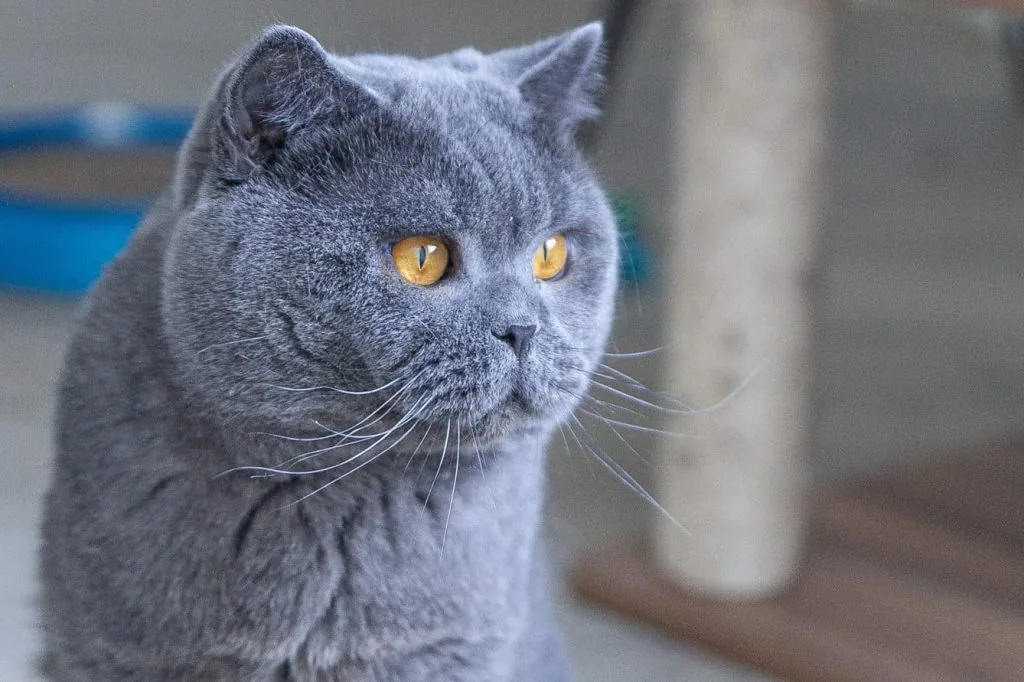
They cope well with routine. In a busy home they often pick a calm vantage point and watch rather than charge in, then drift over once the room settles. Many do well with respectful children and can live alongside other animals, provided introductions are slow and managed. Temperament varies by individual, and early, gentle social exposure helps.7
Is a British Blue Shorthair Right for You?
This is a good match for people who want a calm, solid companion that is present and affectionate but not needy. If you want a busy, chatty, high-energy cat, this is not it. The main commitments are honest ones: watch the weight, keep up short daily play, and be prepared for a cat that takes years to fully mature. If you buy a kitten, be ready to ask a breeder some sensible questions rather than chasing the cheapest price.1
Training and Exercise
This is not an all-day acrobat, but it still needs movement. Short, regular play in little bursts that mimic a hunt helps keep the joints supple and the weight in check, which matters because the breed tends toward a slower metabolism and easy weight gain.1
Food puzzles, wand toys and simple find-the-treats games suit their style: steady curiosity, a neat pounce, then back to stillness.
Health and Lifespan
British Shorthairs are often described as robust and long-lived, with a typical lifespan often quoted around 14 to 20 years depending on genetics and care. That said, there are known issues in the breed, and two themes come up repeatedly: heart disease risk and weight management.1
Hypertrophic cardiomyopathy (HCM) can occur in the breed. There is no single, universally accepted DNA test for HCM in British Shorthairs, so responsible breeders rely on screening and careful breeding decisions rather than a simple genetic result.1
Polycystic kidney disease (PKD) has historically been present in the breed, but it is now far better controlled in well-run breeding programs because DNA testing is available and widely used by responsible breeders.1, 3
Weight gain is the everyday one. British Shorthairs put on weight easily, particularly as adults, and keeping meals measured, treats modest and activity routine is about comfort, mobility and long-term health, not looks. Ask your vet to assess body condition rather than guessing from the scales.1, 5
Grooming and Care
The coat is low-fuss but not no-fuss. A weekly brush usually keeps loose hair under control, and you may brush more often during moulting periods. Use grooming time as a quiet check-in on eyes, ears, skin and nails.1
The basics still matter: regular parasite prevention, vaccination as advised by your vet, and dental care habits started early so they are tolerated later.7
Diet and Nutrition
Stick to complete, balanced foods suitable for your cat's life stage. Because this breed gains weight so readily, portion control is the main job: measured meals, modest treats, and a body condition check from your vet rather than a guess by numbers.4, 5
Choosing a Kitten Responsibly
Prices vary widely by breeder, pedigree lines, desexing status and what health testing and early care are included, so treat any single dollar figure online as a rough guide rather than a promise. Instead of chasing the cheapest kitten, look for evidence of good practice:
- Clear identification and registration paperwork appropriate to your region
- Health testing where relevant, for example PKD DNA testing in breeding lines1, 3
- Transparent veterinary history covering vaccinations, microchipping and desexing where applicable
- Kittens raised in a home environment with calm handling and gradual social exposure7
A Few Things Worth Knowing
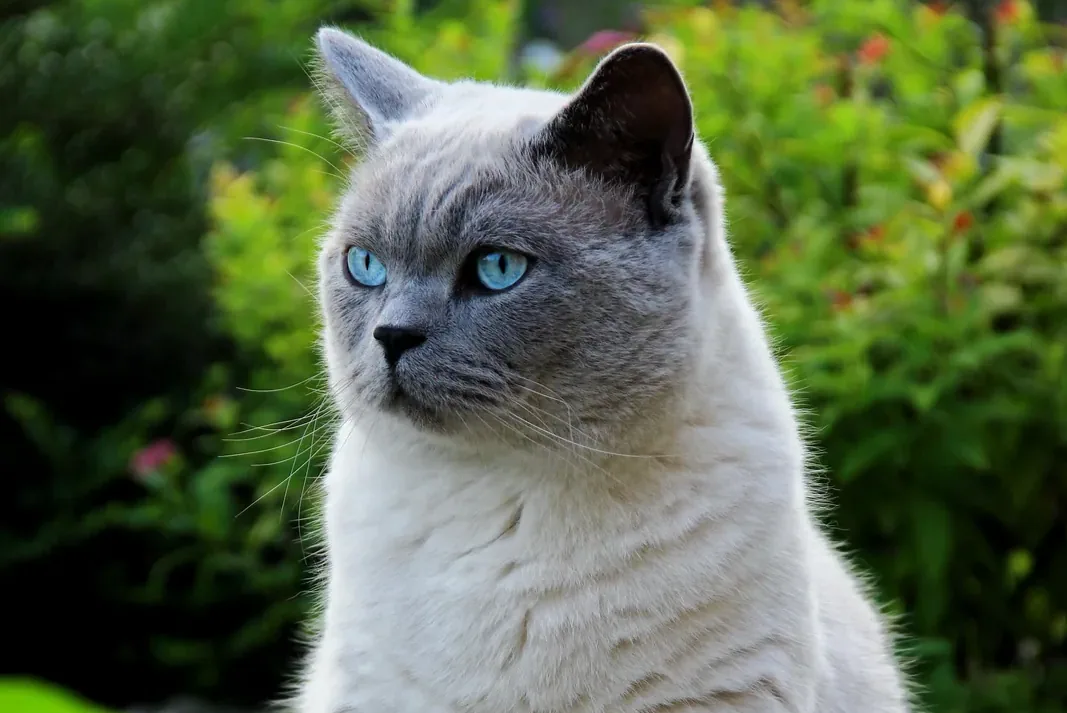
- A British Shorthair named Smokey held the record for the loudest purr at 67.8 dB, later equalled by another cat, Merlin. It is a fun footnote, not a breed trait to rely on, since most British Blues are quietly spoken in everyday life.8
- The plush coat can feel almost springy, more like thick velvet than sleek satin.2
- Full maturity can take around five years, so a young adult is still filling out.1
The Bottom Line
A British Blue Shorthair suits people who want a calm, solid, observant cat that is affectionate on its own terms. Keep an eye on weight, ask sensible questions about heart screening and PKD testing, and you will usually end up with a cat that settles into the household quietly and stays there for years.1, 4
References
- Governing Council of the Cat Fancy (GCCF), British (British Shorthair/Longhair) breed information
- Cat Fanciers' Association (CFA), British Shorthair breed standard and overview
- UC Davis Veterinary Genetics Laboratory, Polycystic Kidney Disease (PKD) in cats (DNA testing)
- RSPCA Knowledgebase, What should I feed my cat? (updated 20 Nov 2025)
- RSPCA Pet Insurance, How to spot signs of pet obesity and tips
- Cats Protection, Cat obesity guidance (weight loss and exercise)
- RSPCA NSW, Caring for cats and kittens (general care and socialisation)
- Guinness World Records, Loudest purr by a domestic cat

Dog lover and writer at My Pets Australia, sharing practical breed guides and care advice for Australian pet owners.