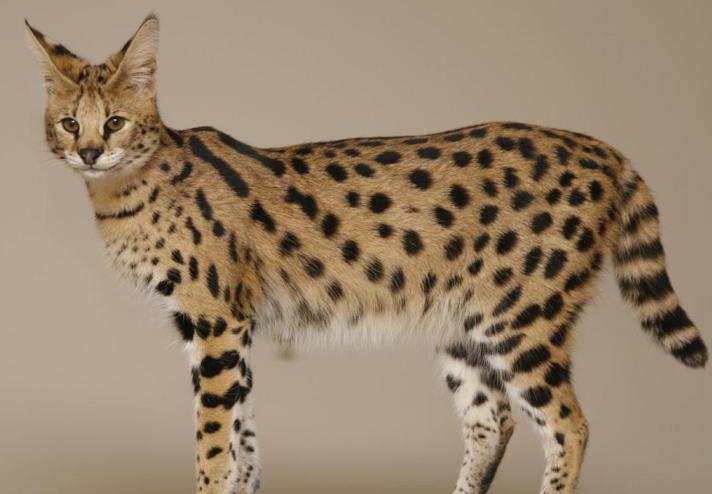
Bengal Cat
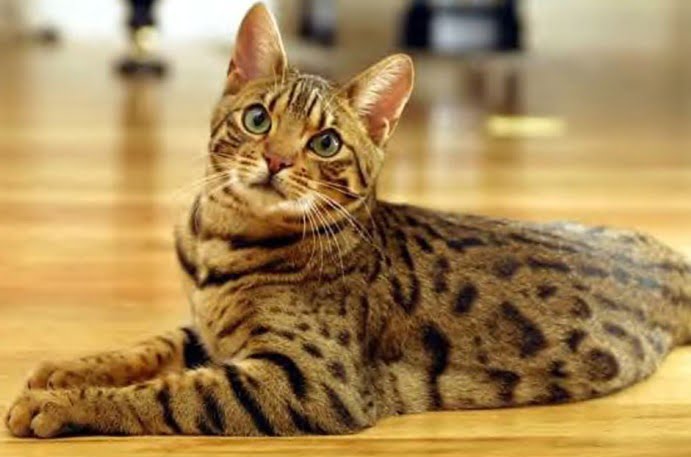
The Bengal is a domestic cat bred to carry the look of a wild one: a short, patterned coat, a long muscled body, and a lot of restless energy. They are sleek, clever, and genuinely engaging company for a household that wants a cat with opinions and things to do. They are also one of the more demanding cats you can own, closer to a busy dog in temperament than to a placid lap cat. A bored Bengal tends to become a destructive Bengal, and a poorly sourced one can arrive with avoidable health and temperament problems. This guide covers where the breed came from, what they are like to live with, the Australian legal points worth knowing, and the health checks to raise with your vet and breeder.
At a Glance: Bengal Cat Basics
- Size: Medium to large. Many adults sit roughly in the 3.5 to 6.8 kg range, with males often larger than females1
- Coat: Short, dense and plush, in spotted or marbled patterns1, 2
- Temperament: Active, curious and social, usually busier than the average domestic cat1
- Lifespan: Commonly around 12 to 16 years with good care1
- Grooming: Low maintenance. Weekly brushing is often enough1
- Activity level: High. Benefits from daily play, climbing space and problem-solving toys1
History and Origin
The Bengal was developed by crossing domestic cats with the Asian leopard cat (Prionailurus bengalensis). Early work began in the 1960s, and the modern Bengal lines were established from the early 1980s through selective breeding towards a domestic temperament paired with a wildcat-style coat1, 2. In The International Cat Association (TICA), Bengals were accepted as a new breed in 1986 and gained championship status in 1991, with the milestone dates recorded in March and May of that year depending on which step is being described2, 3.
You will often see Bengals described by generation: F1, F2, F3 and so on. These labels tell you how many generations a cat is removed from its wild ancestor. Later generations are treated as fully domestic in temperament and management, while early-generation cats are not universally suitable as pets.
Legality in Australia
Whether you can keep a Bengal, and which generation, depends on where you live. Early-generation Bengals in particular can be restricted, and the rules vary from state to state. Before you commit to a kitten, confirm its generation with the breeder and check the current requirements with your state or territory authority. Later-generation Bengals are the ones normally kept as household pets.
Appearance and Physical Characteristics
A Bengal reads as athletic. The body is long, strong and heavily muscled for its size, the head is broad with alert ears, and the eyes are usually gold or green, with some colour variation in the snow lines1.
The coat is the breed's signature feature: short, dense and often described as pelt-like. Patterns are usually either spotted, including rosettes, or marbled, with strong contrast preferred in the breed standards1. Some Bengals also show glitter, a real visible effect where the coat looks dusted or sparkling in the light. It is a coat characteristic in some cats rather than something every Bengal will have1.
Temperament and Personality
Bengals are typically confident, energetic and curious, and they like to be involved in whatever is happening around the house. Many are social with their people and fairly vocal, offering more chirps and commentary than quiet observation1. The question that matters in daily life is not whether a Bengal is friendly in the abstract, but whether you can keep one occupied. Without regular satisfying outlets such as climbing, chasing, stalking games and puzzle feeders, some Bengals invent their own entertainment, usually involving cupboards, blinds, benchtops or anything breakable.
Is a Bengal Right for You?
For a household that wants a low-key, sleep-on-the-couch cat, honestly, probably not. A Bengal suits people who enjoy daily interaction and can provide real enrichment: vertical space to climb, games that let the cat hunt, and calm, consistent boundaries. If you travel constantly, want a cat that entertains itself for days, or cannot commit to daily play, the mismatch usually shows up as damage and frustration on both sides. If that sounds like your home, it is worth also considering a quieter breed. If it sounds like a good fit, few cats give back as much.
Training and Exercise
Plan for structured play every day. Bengals generally do best with short, frequent sessions rather than one long burst. Rotate toys so they stay novel, and give the cat height: shelves, cat trees and safe perches where it can watch the room1.
Bengals are quick learners, especially when training feels like a game and the rewards are consistent. Keep sessions brief and focus on practical skills first, such as coming when called, accepting handling and being comfortable in the carrier, before any party tricks. For most households, settle and go to mat are the most useful behaviours you will ever teach.
Harness and Outdoor Time
Some Bengals can be trained to wear a harness, but it does not suit every cat. The RSPCA notes that leash-walking can expose cats to threats and frightening experiences, and suggests considering a secure outdoor enclosure instead. If you do try a harness, start indoors, go slowly and use a proper cat harness rather than a collar6. The Cat Protection Society of NSW also has a factsheet on harness and lead training worth reading first5.
Health and Lifespan
Bengals are often robust cats, and many live 12 to 16 years with good care1. Like many pedigree breeds, some lines carry inherited conditions, so the practical approach is to ask what the breeder screens for, request documentation, and confirm what ongoing monitoring your vet recommends.
Hypertrophic Cardiomyopathy (HCM)
HCM is a heart disease seen across cat breeds, and Bengal-specific research is ongoing. When buying a kitten, ask whether the parents have been screened, commonly by cardiac ultrasound performed by an appropriate clinician, and how recently that was done4.
Progressive Retinal Atrophy (PRA)
Some forms of PRA can be identified through genetic testing in certain lines. A responsible breeder should be able to explain what testing their program uses and what the results mean for their kittens.
Grooming and Care
A Bengal's short coat does not usually mat, but a weekly brush removes loose hair and gives you a quiet moment to check for skin issues, parasites or soreness. Routine care such as vaccinations, parasite prevention and dental checks follows the same principles as for any other domestic cat1.
If your cat wears a collar, the RSPCA recommends a breakaway or quick-release design to reduce the risk of snagging. Fixed-buckle collars can be dangerous if a cat gets caught on a fence, branch or furniture edge7.
Diet and Nutrition
There is no special Bengal-only diet. What matters is feeding a nutritionally complete and balanced food that suits your cat's life stage and health, then monitoring body condition over time. Veterinary nutrition guidance stresses routine nutritional assessment and adjusting feeding to prevent obesity and related problems8, 9. When choosing a commercial food, look for a product labelled complete and balanced for cats, and ask your vet for help if you are mixing diets, feeding raw or managing sensitivities.
A Few Things Worth Knowing
- Ask which inherited conditions are screened in the breeding line, and request written results.
- Ask what generation the kitten is. Later generations are generally considered fully domestic in temperament and management.
- Book an early vet check and discuss heart screening expectations for the breed and your cat's family history.
- Confirm the state or territory rules on Bengal ownership before you buy.
The Bottom Line
A Bengal can be a striking companion: sleek, alert and almost always in motion. They suit homes that enjoy daily interaction and can offer space to climb, games to hunt, and boundaries that stay calm and consistent. Choose a breeder who screens thoughtfully, set the environment up properly, and check your local rules, and you are far more likely to end up with the Bengal people hope for: wild-looking, but reliably domestic in the daily rhythm of the house1, 2.
References
- GCCF (Governing Council of the Cat Fancy), Bengal breed information
- TICA (The International Cat Association), Bengal breed profile
- TICA, Bengal breed history timeline (including championship status milestones)
- North Carolina State University College of Veterinary Medicine, Bengal cat hypertrophic cardiomyopathy (HCM) study
- Cat Protection Society of NSW, Harness and lead training factsheet
- RSPCA Knowledgebase, Should I walk my cat on a leash?
- RSPCA Knowledgebase, What type of cat collar should I use?
- WSAVA, Global Nutrition Guidelines
- BSAVA, Companion animal nutrition position statement

Dog lover and writer at My Pets Australia, sharing practical breed guides and care advice for Australian pet owners.