Benefits of Regular Exercise for Your Pets
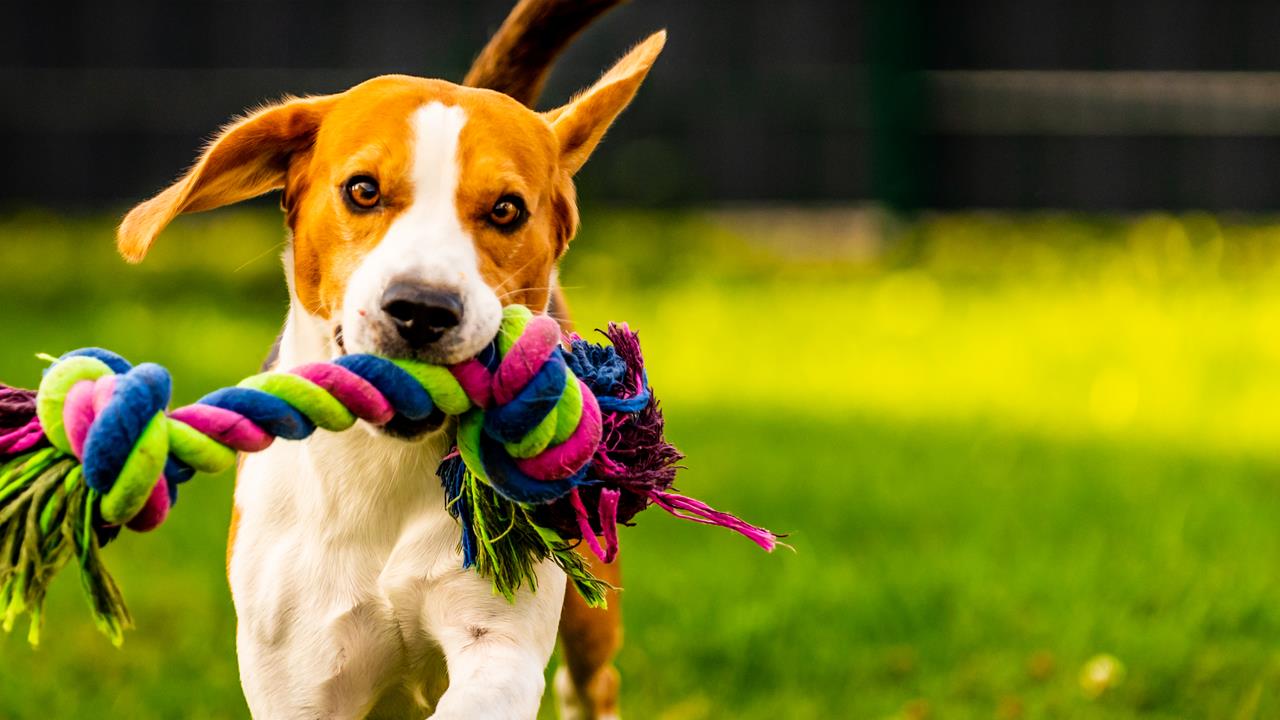
Regular movement is one of the few parts of pet care that touches almost everything else: body condition, joints, digestion, sleep, behaviour, and how well an animal copes with change. Dogs and cats are built for repeated, varied activity, and a steady daily pattern keeps the body conditioned and the mind occupied. What matters is not intensity for its own sake, but the everyday kind of activity that suits your animal's age, breed, and health. The benefits below are well supported by veterinary guidance, and the routines are simple to build without overdoing it.
Why regular exercise matters
A pet's body is made for walking, climbing, chasing, sniffing, pouncing, and swimming. When that daily pattern shrinks, weight can rise quietly, muscles soften, joints stiffen, and boredom starts to leak out as problem behaviour. Regular activity protects welfare by keeping the body in good shape and giving the brain something real to do.1, 2
Physical health benefits
Weight control and obesity prevention
Obesity is common in companion animals and is linked with poorer quality of life and a higher risk of other health problems. Exercise on its own will not fix weight gain without appropriate feeding, but it is a major part of preventing gradual fat gain and maintaining a healthier body condition over time.3, 4
Heart, lungs, and general fitness
Regular movement supports cardiovascular fitness and stamina. For many dogs, a daily walk with chances to sniff, explore, and trot does more than burn energy. It keeps the whole system ticking along at a healthier baseline.1
Muscles, joints, and mobility
Activity maintains muscle mass, joint range of motion, and balance, and this matters across the whole lifespan. Young animals need safe, age-appropriate movement to build strength, while older pets benefit from gentle, consistent exercise that helps keep mobility and confidence.2
Mental health and behaviour
Stress relief and better regulation
Exercise is a practical form of enrichment. It gives the brain something real to do, such as sniffing, searching, stalking, climbing, and problem-solving, rather than rehearsing anxiety or frustration. In dogs, regular walks and play can reduce boredom-driven behaviours such as destructive chewing or excessive barking.1, 5
Cats: why exercise often looks like play
For many cats, short bursts of play that mimic hunting behaviour (stalk, chase, pounce) are a natural fit. Daily interactive play supports welfare by giving cats a predictable outlet for activity and curiosity, and it matters most for indoor-only cats.6
What exercise can and cannot promise for longevity
Regular exercise supports the factors associated with a longer, healthier life: better body condition, stronger muscles, and lower risk from obesity-related disease. What it cannot deliver is a precise promise such as two extra years, because lifespan is influenced by many variables and broad claims like that are not consistently supported by authoritative veterinary sources. A more accurate way to think about it is that consistent, appropriate movement helps reduce avoidable health burdens that shorten a pet's healthy years.3, 4
Strengthening the bond
Shared activity such as walking, training, fetch, and gentle games creates repeated moments where your pet can predict what is happening and what you are asking. Over time, that consistency tends to improve handling, recall, and general cooperation. For many dogs it also offers structured social exposure to other dogs, people, noises, and places, at a pace that can be managed.1, 5
Safer exercise: quick checks before you start
- Match the activity to the animal. Age, breed, body condition, and medical issues change what enough looks like. When in doubt, ask your vet.2
- Avoid forced exercise in puppies. Growing dogs can be over-exercised, and some high-impact activities such as repeated jumping or intense ball throwing can increase injury risk. Gradual, sensible exposure is safer.2
- Heat matters more than enthusiasm. Dogs cool mainly by panting and can overheat during exercise, particularly in warm weather or if they are overweight, older, or flat-faced. Prefer early morning or evening on hot days, carry water, and watch the ground temperature to protect paws.2, 7
Simple ways to add more movement
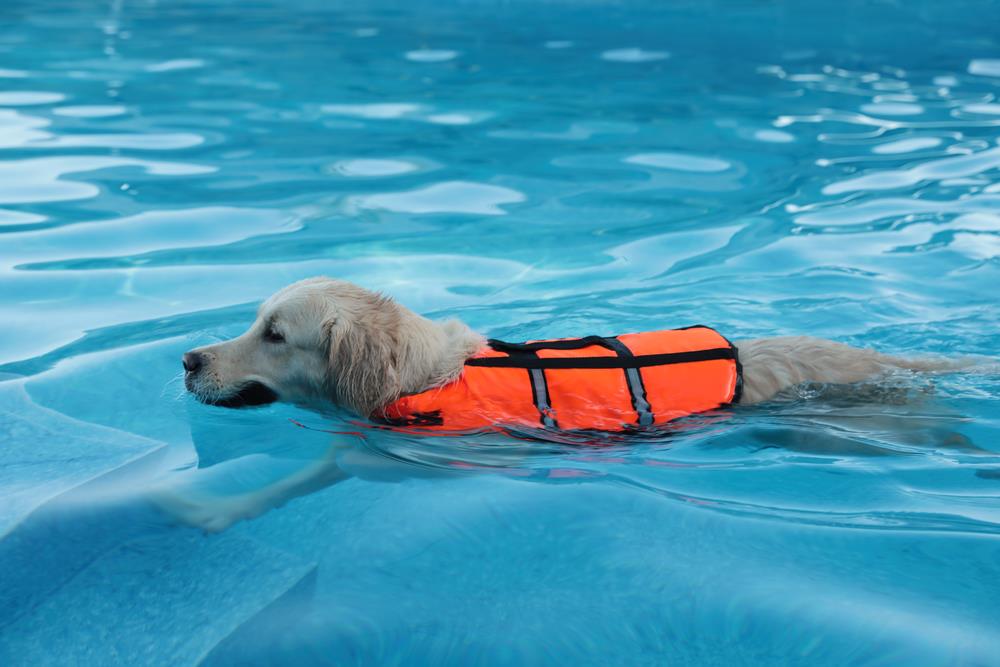
- Dogs: daily walks with time to sniff, short training sessions that include movement, supervised swimming where appropriate, and off-lead running only where safe and lawful, with reliable recall.1
- Cats: two or three short interactive play sessions per day, rotate toys to keep interest, encourage climbing and jumping through stable perches and shelves, and use scatter feeding or puzzle feeders for slow, active foraging.6
Sleep: the quiet payoff
After suitable exercise and enrichment, many pets settle more easily. The pattern is simple and familiar across most species: activity, food, rest. When a pet's day has enough movement and mental work, sleep tends to become deeper and less interrupted, especially in animals that would otherwise spend long hours under-stimulated.1, 6
References
- RSPCA Knowledgebase: Can you give me some advice on caring for my dog? (Exercise and play)
- RSPCA Knowledgebase: How should I exercise my puppy?
- RSPCA Australia: 4 ways to avoid obesity in your dog
- WSAVA: Global Nutrition Guidelines (resources include body condition scoring tools)
- RSPCA Pet Insurance: Tips for exercising your dog
- Ellis SLH et al. (2013). AAFP and ISFM Feline Environmental Needs Guidelines. Journal of Feline Medicine and Surgery.
- The Kennel Club: Heatstroke in dogs
- RSPCA Pet Insurance: How to safely exercise your dog or puppy

Dog lover and writer at My Pets Australia, sharing practical breed guides and care advice for Australian pet owners.