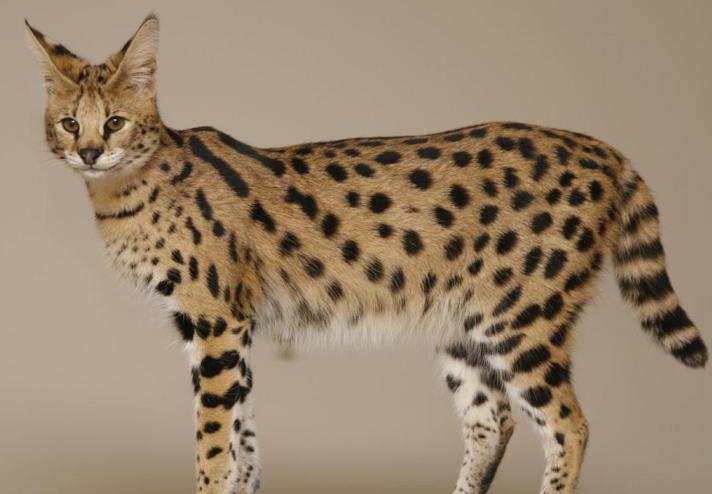
Applying topical treatments to your cat
A topical treatment is any medication you put on the outside of your cat, and for most Australian owners it is the main line of defence against fleas and, in some regions, life-threatening paralysis ticks. Applied correctly, a spot-on takes seconds and prevents a lot of misery. The catch is that cats groom, so where you put the product and how you stop them licking it matters as much as the product itself. Get those two things right and topical treatment is straightforward. This guide covers the checks that count, the safest way to apply a spot-on, and the mistakes that cause most of the problems.1, 2
What a topical treatment actually is
A topical treatment goes onto the skin, not the fur. It can prevent parasites such as fleas and ticks, and sometimes worms, or it can treat certain skin conditions. The one rule that overrides everything else: topicals are not interchangeable. A product made for dogs can be dangerous for a cat even when the dose looks small, so a cat product is a cat product and nothing else.4, 5
The common types
Most cat topicals fall into three groups.
Spot-on parasite preventatives come in single-use pipettes and go onto the skin at the base of the skull or the back of the neck, where a cat cannot easily lick. Some are monthly, some last longer. The label for your exact product is the authority on timing and dose.3, 6, 8
Medicated shampoos and rinses are for specific skin problems. They are not a substitute for flea control unless your vet has said so, and because they wash away natural oils they can irritate already-inflamed skin if used too often.
Creams and ointments may be prescribed for small, localised areas, such as an antifungal or antibacterial cream. Cats groom, so unless the product is labelled safe when licked or your vet has told you it is, assume you will need to stop the licking until it has absorbed.
Quick safety checks before you apply anything
- Confirm it is for cats. Anything marked "for dogs only" should never go on a cat.4, 5
- Check the weight range and age on the label and use the correct pack for your cat's current weight.1, 6
- Do not stack parasite products (two spot-ons, or a spot-on plus a collar) unless your vet has confirmed the combination is safe.
- Plan for grooming. Many so-called reactions are really licking. Drooling, foaming and nausea can all follow a cat tasting the solution.3, 7
- If the skin is broken or infected, pause. Some spot-ons should not go onto skin lesions, so check the label and call your vet if you are unsure.8
How to apply a spot-on safely
This method suits most flea and tick spot-on products.
- Choose the right location. Aim for the base of the skull or back of the neck, a spot that is difficult to lick.2, 8
- Part the fur until you can see skin. The liquid has to reach the skin to work.6, 8
- Place the tip on the skin and empty the pipette as directed. Some products go in one spot, larger cats may need two. Follow your label.8
- Keep your cat and any other pets from grooming the area while it dries. If you have cats that groom each other, separate them until the site is dry.8, 5
- Wash your hands afterwards. Even without gloves, treat it like a medicine.
One detail makes a real difference: spot-on products spread through the skin's natural oils. If you drip it onto fur instead of skin, much of the dose ends up on the coat, and from there onto tongues, bedding and your hands.
To make the whole thing easier, pick a quiet moment (after a meal or a play session many cats are calmer), work on a stable surface rather than a slippery bench, and pre-part the fur with one hand before bringing the pipette in so you can apply in one smooth motion. Reward afterwards with a small treat rather than chin scratches while the site is still wet.
Common mistakes to avoid
- Using dog products on cats. Some ingredients, permethrin among them, are well known for causing serious toxicity in cats.4, 5
- Applying in the wrong place. If your cat can lick the wet product, drooling, vomiting or agitation become much more likely.7, 8
- Assuming indoor cats do not need flea control. Fleas and their life stages build up in the home, and an infestation needs a whole-of-home plan.9, 10
- Not treating all pets in the household. One untreated animal can keep the cycle going.9
- Applying more for extra protection. A bigger dose is not more effective, it only raises the risk of side effects.
How often, and why the house matters
There is no single correct schedule. It depends on the product, your cat's weight and your local parasite risk. Many flea spot-ons are monthly and some newer products last longer, with the label as the authority on timing and dose.6, 8
If fleas are already established in your home, topical treatment on its own can feel like it is not working, because most of the flea population is usually in the environment as eggs, larvae and pupae in carpets and bedding. Breaking that cycle almost always needs environmental cleaning and treatment as well.9
Tick country: still search your cat
In areas where paralysis ticks occur, prevention products reduce the risk but do not remove it. Regular tick searches remain essential, and any suspected tick paralysis is an emergency.1, 2
- Check your cat daily, and more often in high-risk coastal scrub areas.1, 2
- Seek veterinary care immediately if you find a paralysis tick or notice weakness, wobbliness, breathing effort or a change in voice.2
Side effects and when to call the vet
Most cats tolerate topical parasite products well when they are used correctly, but side effects do happen.
- Common and usually mild: brief drooling or foaming (often just from tasting it), temporary itchiness at the site, mild stomach upset.7, 6
- Concerning: tremors, weakness, unsteady walking, marked agitation, seizures, breathing difficulty or collapse, especially after exposure to a dog tick or flea product. Treat these as urgent and contact a vet or a poisons advice service straight away.5, 7
The bottom line
Topical treatments work best when you treat them like medicine rather than grooming. Use a product made for cats, apply it onto the skin at the back of the neck, and give it time to dry without licking. If parasites persist despite that, look past the cat's coat, because the house usually holds the larger share of the problem.9, 10
References
- University Veterinary Teaching Hospital Sydney (The University of Sydney), Tick paralysis
- RSPCA NSW, Tick season: protecting your pet
- Merck Veterinary Manual, Ectoparasiticides used in small animals
- RSPCA Knowledgebase, How do I stop my companion animal from getting fleas?
- American College of Veterinary Pharmacists, Pet Poison Control: Permethrin
- University Veterinary Teaching Hospital Sydney (The University of Sydney), Complete parasite protection
- Animal Poisons Centre (Australia), Flea and tick spot-on: safe application and risks for pets
- Bravecto Australia, Bravecto Spot-on for Cats: how to apply
- RSPCA Australia, Understanding fleas and their impact on companion animals
- Exelpet Australia, Vet Series Spot-On Flea Treatment for All Cats (directions and frequency)

Dog lover and writer at My Pets Australia, sharing practical breed guides and care advice for Australian pet owners.