American Shorthair Cat
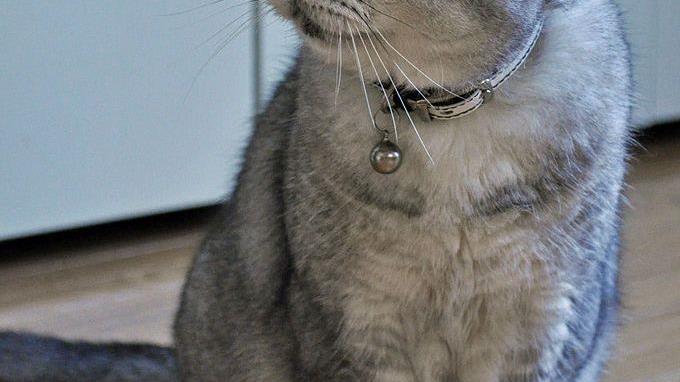
The American Shorthair is a sturdy, even-tempered cat with a short, dense coat and a long history of fitting neatly into family routines. Bred down from working cats kept for rodent control, it has settled into an easygoing companion that is affectionate without being clingy. It is a good match for households that want a steady presence rather than a constant lap cat. Most live 10 to 15 years, so the care choices you make now shape daily life for a long time. Get the basics right, mainly weight and dental care, and it tends to be a low-fuss cat to live with.1, 2
American Shorthair at a glance
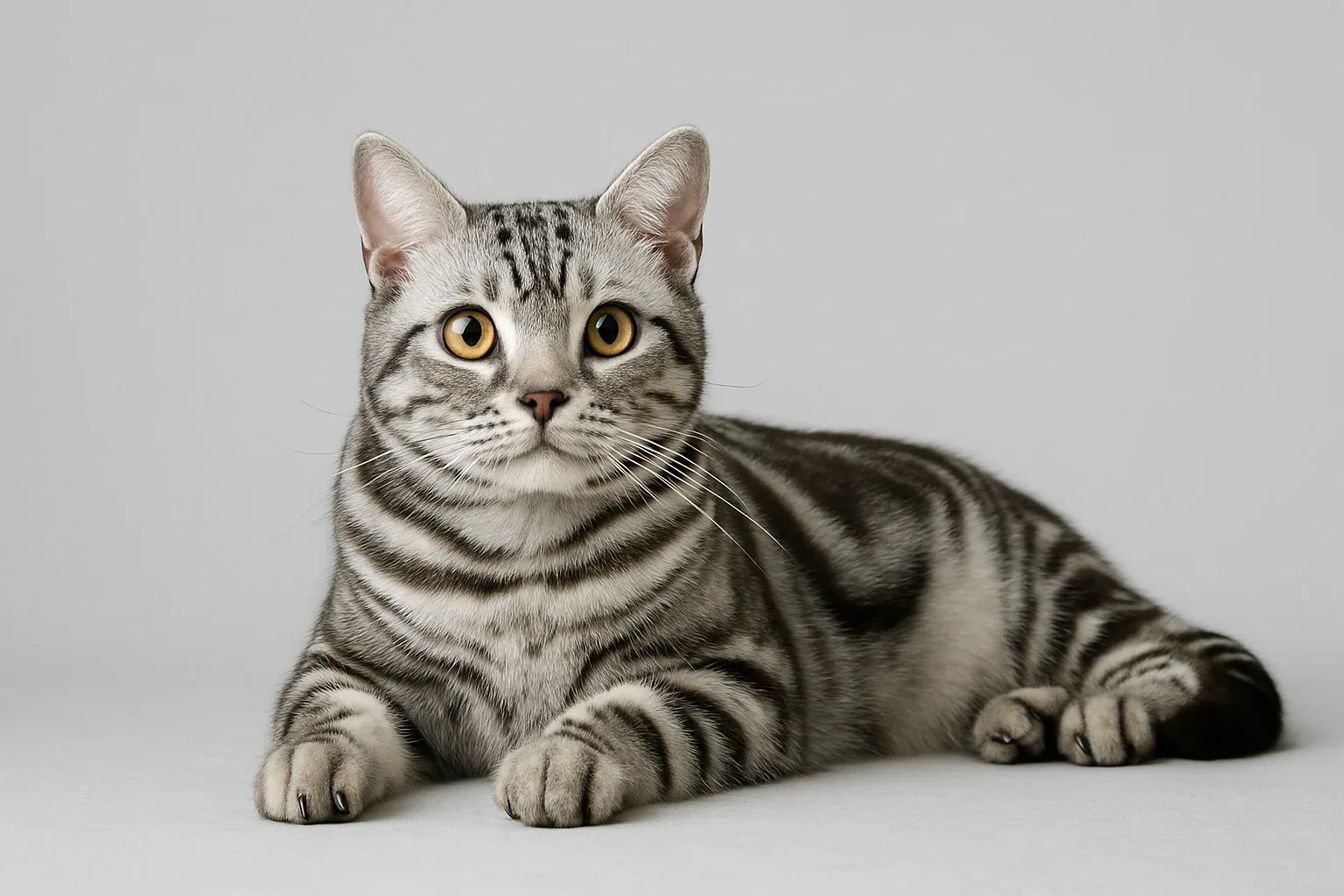
- Origin: United States, developed from working cats kept for rodent control, later standardised as a pedigreed breed.1
- Size: Medium to large, with a solid, muscular build.1, 3
- Coat: Short, dense, with seasonal shedding.1
- Colours: Many colours and patterns are recognised, with tabbies especially common.1
- Temperament: Generally affectionate, gentle, and adaptable, often more companionable than clingy.1, 2
- Life expectancy: Commonly cited around the mid-teens, though individuals vary with genetics, diet, and preventive care.2, 3
History and Origin
The American Shorthair traces back to cats brought to North America by early settlers. They earned their keep as working animals, holding down rodent numbers around homes, stores, and ships, then gradually became a defined show and companion breed as cat fancy organisations set standards and breeding programs took shape.1, 2 Those working roots still show in the body: a broad chest, strong legs, and a calm readiness to play hard for a while, then settle.1
Appearance and Physical Characteristics
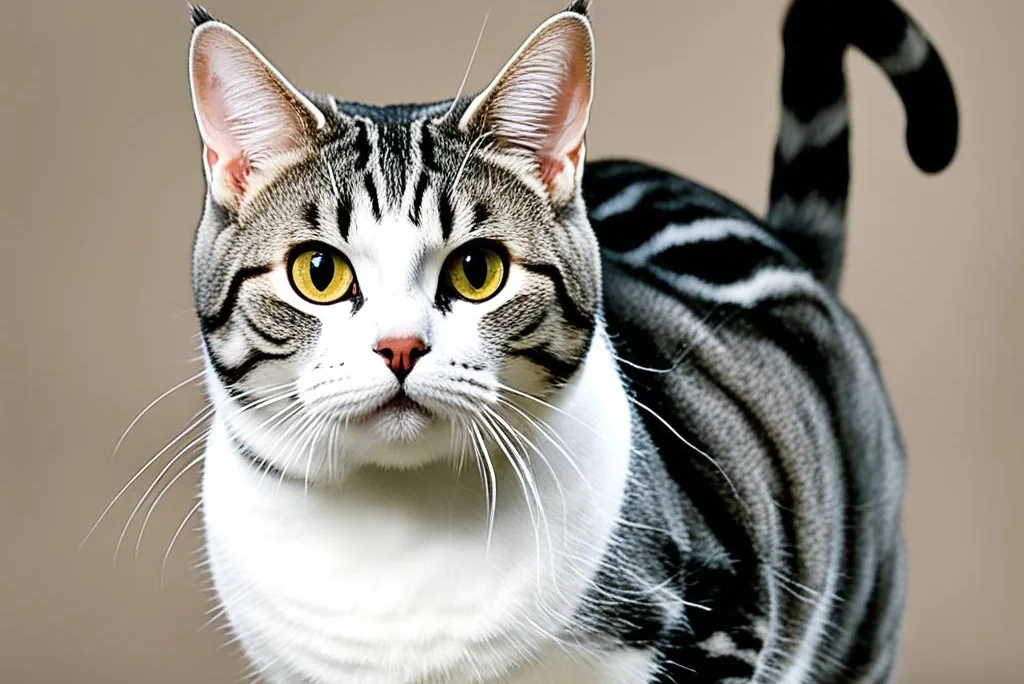
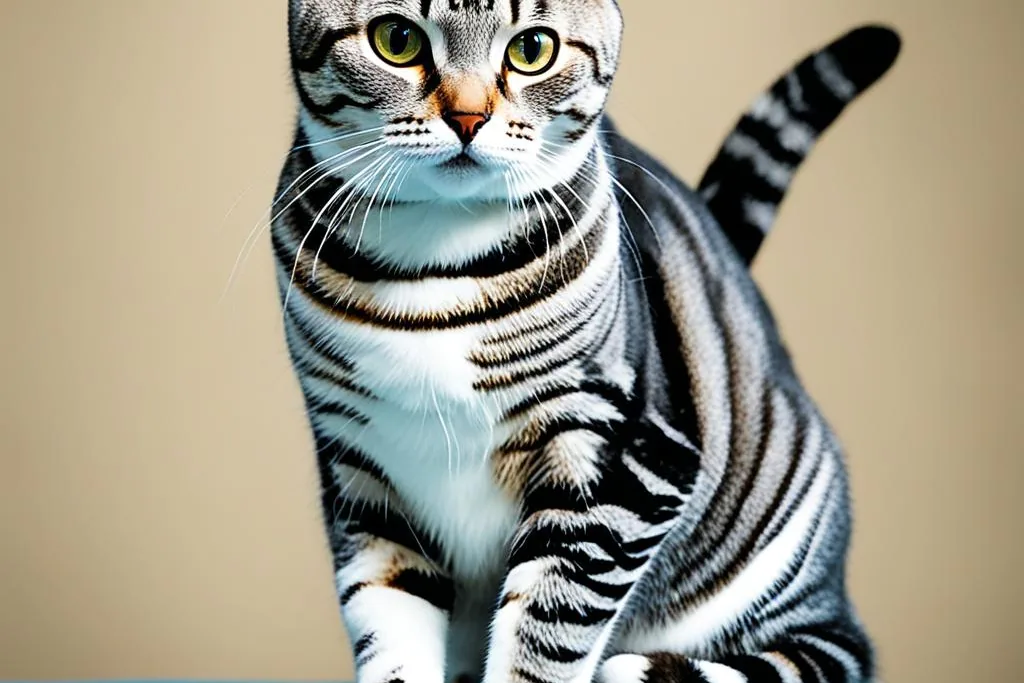
American Shorthairs are built like compact athletes, muscular without looking rangy, with a rounded head, strong jaw, and a short, dense coat made for everyday wear. The coat is hardy but sheds noticeably with the seasons, and many owners see the heaviest shed as the weather shifts.1 Colour and pattern variety is one of the breed's calling cards. The silver tabby is an iconic look, but the breed comes in many combinations, and different registries describe acceptable colours in detail.1
Temperament and Personality
Most American Shorthairs sit in a useful middle ground: sociable and steady, but not usually demanding. Many enjoy being near people, following household activity from a comfortable distance, then joining in when it suits them, especially if there is a toy involved.1, 2 They tend to suit homes that want an easygoing companion rather than a constant lap cat. As with any breed, early handling, a predictable routine, and gentle introductions to visitors and other animals shape the adult cat more than any label does.2
Is an American Shorthair Right for You?
This is one of the easier cats to recommend. It is calm, adaptable, and content to entertain itself, which works well for busy households and first-time owners. The honest catch is that it is a comfortable eater and indoor life makes it easy for calories to outpace movement, so weight management is a real, ongoing job rather than an afterthought. If you are happy to measure meals, build a dental routine, and set up a home the cat can climb and explore, it is a straightforward breed to live with. If you want a cat that will spend every evening curled on your lap, this one may keep you at a friendly arm's length instead.
Training and Exercise
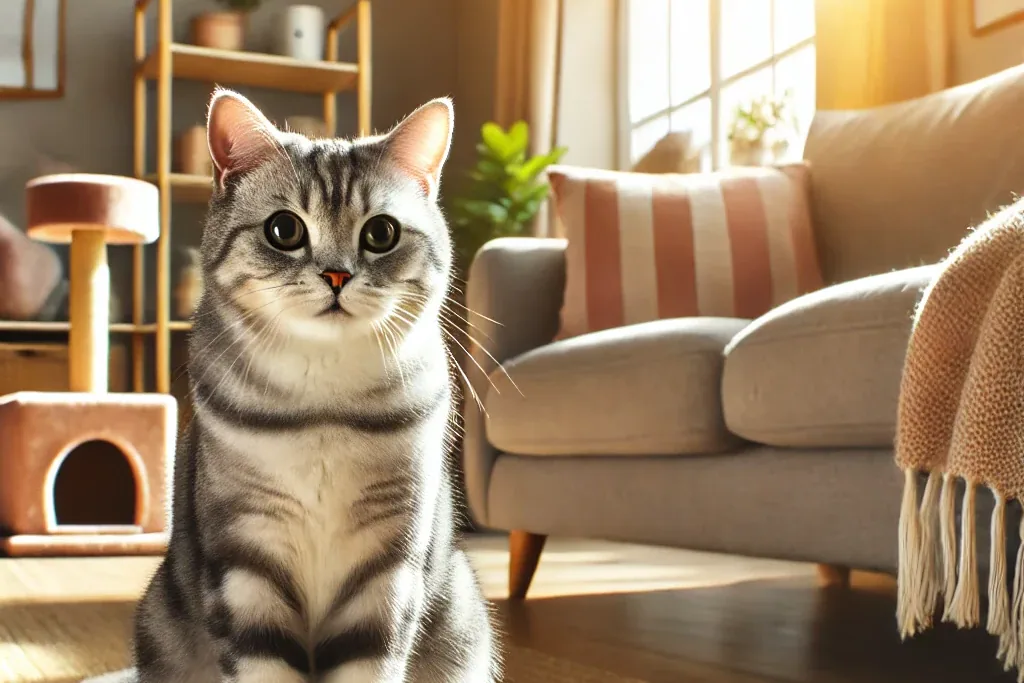
American Shorthairs respond well to routine and gentle rewards, so training does not need to look like formal obedience. Simple habits make the difference: coming when called, accepting a carrier, tolerating a harness, or sitting calmly for nail trims. For exercise, aim for steady daily movement rather than long sessions. Many cats prefer several short play bouts spread across the day, using wand toys, balls, or food puzzles to keep the brain engaged as well as the body. Those short, energetic bursts also mimic the natural hunt and pounce movement that helps keep weight steady.

Care and Housing
In Australia, letting a cat roam unrestricted comes with real risks: cars, fights, infectious diseases, toxins, and getting lost. Containment is widely recommended, either fully indoors or indoors with access to a secure outdoor enclosure (a catio) or an escape-proof yard system.5 This protects the cat, and it also reduces wildlife impacts and neighbour conflict. The best contained homes feel layered and three-dimensional: high resting spots, scratch posts, hiding places, and a few sunny windows to watch the day go past.5

Health and Lifespan
Many American Shorthairs live as robust pets, but generally healthy is not the same as immune to problems. The conditions worth watching are the slow-building ones, where extra weight creeps on, dental disease advances quietly, and heart disease may not show signs until later.2, 3
Weight gain and obesity
American Shorthairs can be enthusiastic eaters, and indoor life makes it easy for calories to outpace movement. Feline obesity is not cosmetic. Large studies have shown overweight cats are more likely to develop diabetes and other health complications than cats kept at an optimal body condition.4 Practical ways to keep weight steady:
- Measure meals rather than free-feeding.
- Keep treats small and predictable.
- Use daily play in short, energetic bursts.
- Ask your vet to show you body condition scoring, then track changes over months rather than days.
Dental disease
Dental problems are common in pet cats, and they often progress quietly until there is obvious pain, drooling, or a sudden change in eating. The best home care is tooth brushing, ideally daily, using cat-specific toothpaste and never human toothpaste.6, 7 If brushing is not realistic, ask your vet about VOHC-accepted dental products as a supplement. They can help, but they do not replace a proper veterinary dental exam when disease is present.6, 9
Heart disease (including HCM)
Hypertrophic cardiomyopathy (HCM) is the most common type of heart disease in cats. Some resources note it as a condition that can occur in the breed, and responsible breeders and veterinarians may recommend screening in certain situations, for example when a murmur is detected or there is a family history.3
Grooming and Care
The coat is low-fuss, but it still benefits from regular brushing, especially during seasonal shedding. A quick weekly brush lifts loose hair before it ends up on furniture or in hairballs, and it gives you a chance to spot skin issues early.1
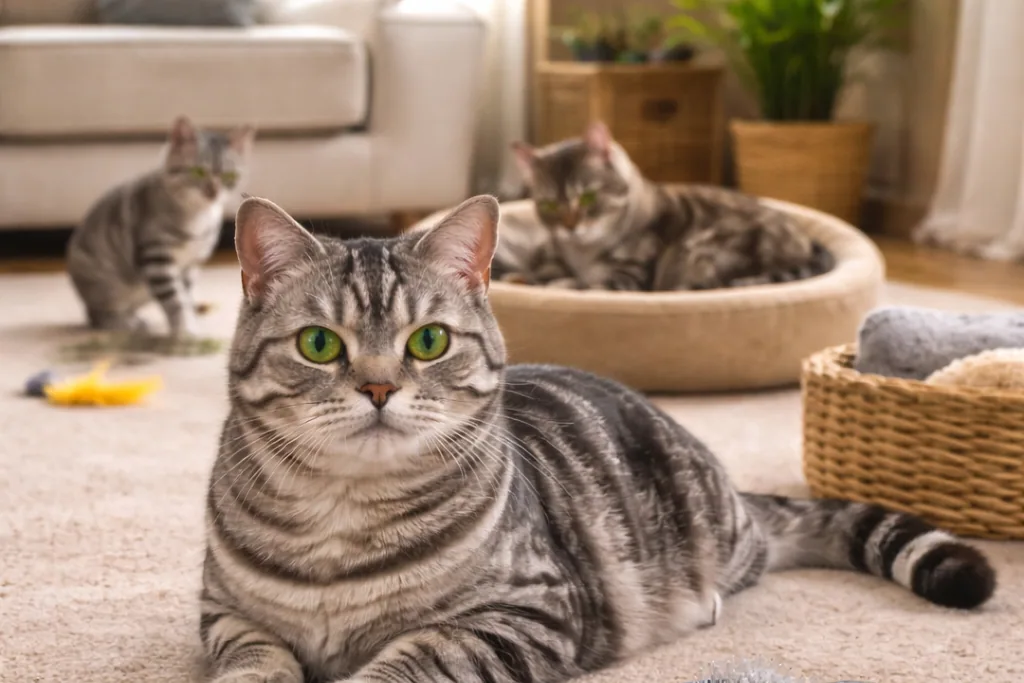
- Brushing: Weekly for most of the year, more often during heavier sheds.1
- Claws, ears, eyes: Check routinely and keep nails trimmed.
- Teeth: Aim for daily brushing if your cat will tolerate it. Any consistent brushing is better than none.6
A Few Things Worth Knowing
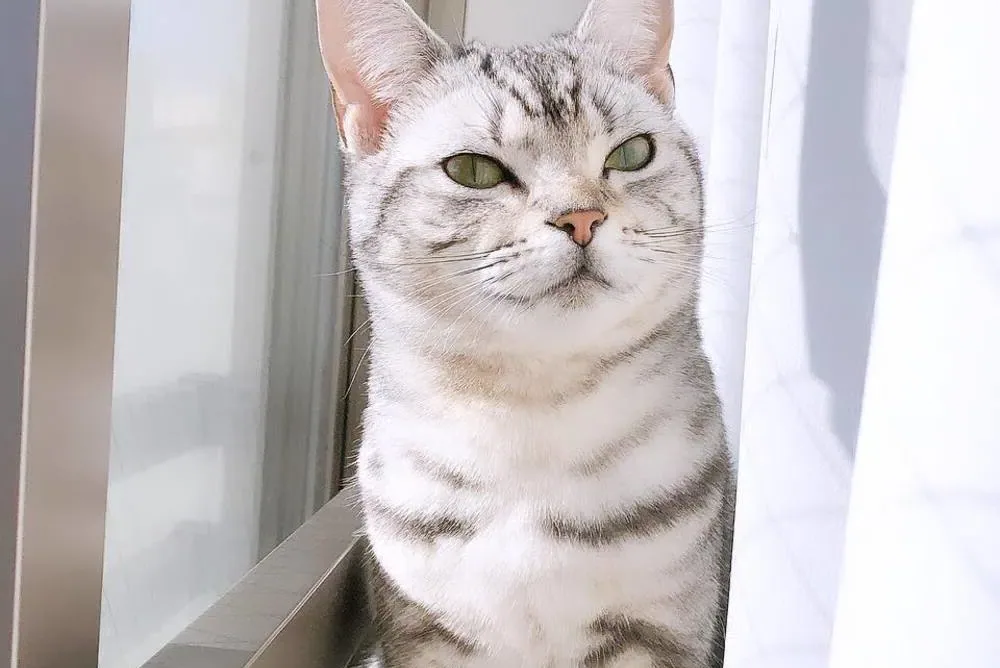
- If you are buying a kitten, look for breeders who prioritise health and temperament over novelty, provide written health records, and are comfortable answering blunt questions about screening, inbreeding limits, and where their cats live day to day.1
- Adoption is a strong option too. Many shelters and rescues have short-haired cats with similar temperaments, and some pedigreed cats turn up via breed clubs or rehoming pathways.
- Registries publish breed standards, but a good breeder's real work is in careful selection and long-term follow-up.1
The Bottom Line
The American Shorthair is a steady presence: solid-bodied, calm-natured, and usually easy to live with. The care priorities are quiet ones, mainly keeping weight under control, building a dental routine early, and offering a safe, enriched home where the cat can climb, hide, watch, and play in short bursts. Get those basics right and the breed tends to reward you with years of uncomplicated companionship.1, 4, 6
References
- The Cat Fanciers' Association (CFA), American Shorthair
- Zoetis Petcare, American Shorthair breed overview
- PetMD, American Shorthair cat breed information
- Cornell University College of Veterinary Medicine, Purrfect Weight (feline obesity impacts)
- RSPCA NSW, Keeping cats safe at home (containment options and enrichment)
- Veterinary Oral Health Council (VOHC), Brushing guidance
- RSPCA Pet Insurance, Guide to cat dental care
- RSPCA Pet Insurance, Why you should keep your cat indoors (risks and safer outdoor options)
- American Animal Hospital Association (AAHA), Dental care guidelines (home care and products)

Dog lover and writer at My Pets Australia, sharing practical breed guides and care advice for Australian pet owners.