Am I allowed to pat a Service Animal?
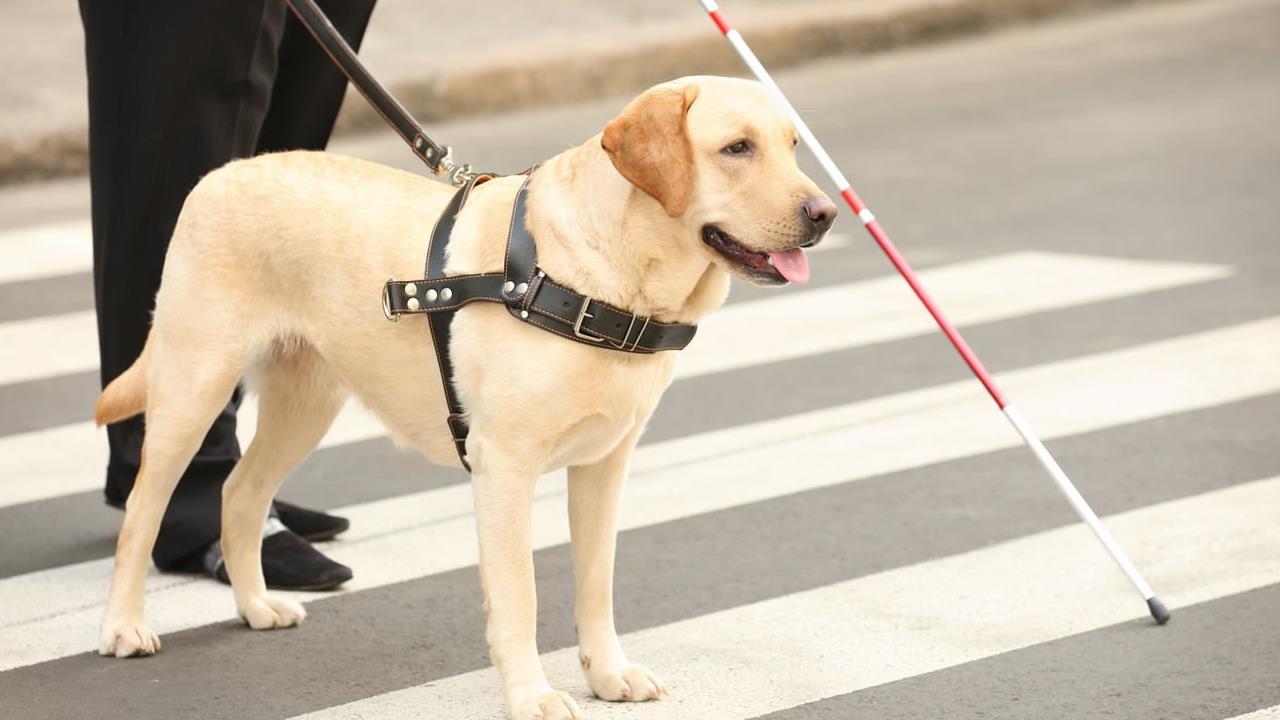
An assistance animal in public is doing precise, quiet work, and the safest thing you can do is leave it to it. Even a friendly pat can pull a working animal's attention away at the wrong moment, and that can affect the handler's safety and independence. As a rule, do not pat, talk to, feed, or otherwise engage an assistance animal while it is on duty. If you are unsure, treat the animal like specialised equipment: focus on the person, and ask the handler before doing anything that might distract it.3, 4, 5, 6
What counts as a "service animal" in Australia?
In Australia, the usual term is assistance animal. Under the Disability Discrimination Act 1992 (Cth), an assistance animal is a dog or other animal that is accredited under a State or Territory law, or accredited by an organisation prescribed in the regulations.1
You will most often see guide dogs and hearing dogs, but assistance animals can also be trained to help with other disabilities and medical conditions. The key point is not the breed or the vest. What matters is that the animal is trained and recognised under the relevant rules.1, 2
So, am I allowed to pat one?
There is no single sign that says "it is illegal to pat," but the practical answer is usually no: do not pat an assistance animal unless the handler clearly says it is okay. These animals are trained to concentrate in busy places such as shops, footpaths and stations, where a moment of lost focus can matter.3, 4, 5
If the handler says yes, for example because the dog is off duty or they invite you to greet it, follow their lead. Some handlers prefer no interaction at all, even when the animal looks relaxed.3, 6
Why a quick pat can be a real problem
A working assistance animal is trained to ignore the public and lock onto the handler's cues. Attention from strangers, whether voices, eye contact or a hand reaching in, can teach the dog to scan for interaction instead of scanning for the task it is meant to do.3, 4, 5
Guide dog organisations in Australia are blunt about it: distracting a dog on duty can undo training and, in some situations, create genuine risk. Think kerbs, stairs, crossings, escalators and crowded platforms.3, 7
Good etiquette around an assistance animal
- Talk to the handler, not the dog. Keep your voice directed to the person.4, 6
- Do not pat, feed, whistle at, or "psst" the dog. Even positive attention is still a distraction.3, 4, 6
- Do not touch the harness, lead, coat, or the handler. If you think help is needed, ask first and follow instructions.4, 6
- If you have a dog with you, keep it under close control. Give the assistance animal room to pass without having to manage another dog's interest.3, 6
Common misconceptions worth clearing up
"If the dog is lying down, it is not working."
Often it is still working: waiting, watching the handler, or ready to respond. The safest assumption is that the animal is on duty unless the handler tells you otherwise.4, 6
"All assistance animals have the same vest or ID."
Identification can vary by organisation and jurisdiction. Some venues describe common forms of visual ID such as badges, harnesses, vests and passes, but it is not always obvious at a glance.8
"Assistance animals are only guide dogs."
Guide dogs are the best known example, but Australian law also recognises other animals trained to assist with disability-related needs, provided they meet the relevant accreditation requirements.1, 2
Legal protections and what they mean for the public
Australian law protects people from discrimination because they use an assistance animal. In plain terms, denying entry or treating a person unfairly because they are accompanied by a trained, accredited assistance animal can be unlawful under Commonwealth legislation.1
For day-to-day interactions, the most useful takeaway is simple: the handler has a right to move through public life without their animal being interrupted, tested, or treated like a public attraction.3, 4
What about "emotional support animals"?
Some animals provide comfort, but not every support animal meets the legal definition of an accredited assistance animal under the Disability Discrimination Act 1992 (Cth). The law focuses on training and accreditation, not just the presence of a helpful animal.1, 2
Quick check before you interact
- Pause.
- Make eye contact with the person, not the dog, and ask, "Is it okay if I say hello?"
- If the answer is anything other than a clear yes, leave the dog alone and move on.
Final thoughts
An assistance animal is doing careful work in the middle of ordinary life. The kindest approach is also the simplest: give the team space, keep your attention on the handler, and only interact if you are invited. That small restraint helps protect the handler's safety and the animal's training, one uneventful crossing, doorway and crowded footpath at a time.3, 4, 5
References
- Australian Government Federal Register of Legislation, Disability Discrimination Act 1992 (Cth): Section 9 definitions (assistance animal)
- Australian Human Rights Commission, Reform of the assistance animals provision of the Disability Discrimination Act (background on Section 9 and assistance animals)
- Guide Dogs Victoria, Guide dog etiquette and interaction tips
- Guide Dogs WA, How to act around a Guide Dog or Autism Assistance Dog
- Life Without Barriers, Four things you should know about guide dogs (do not distract)
- Guide Dogs NSW/ACT, Guide dog access and etiquette
- ABC News, Guide dog handlers warn of risks of distracting working animals
- National Museum of Australia, Assistance animal and disability aid guidelines and procedures (examples of identification and when evidence may be requested)

Dog lover and writer at My Pets Australia, sharing practical breed guides and care advice for Australian pet owners.