Abyssinian Cat
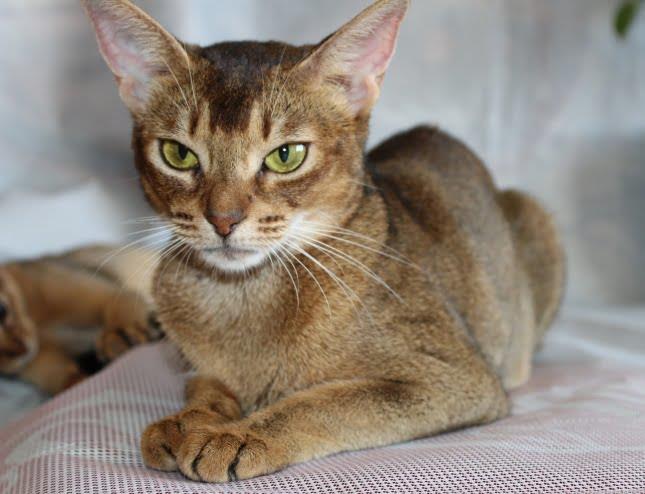
The Abyssinian is a short-haired, athletic companion cat known for its shimmering ticked coat and its habit of watching the whole house from the highest shelf it can reach. It is bright, people-focused, and quick to learn a routine or a game. Most Abyssinians are near you rather than on you, more shadow than lap cat. That energy is the appeal, and it is also the catch: an under-stimulated Abyssinian will happily redirect its curiosity onto curtains, benches, and anything left within reach. Here is what they are like to live with, what their coat colours actually mean, and the practical care that keeps them steady and well.
At a glance: Abyssinian cat
- Size: Medium
- Weight: About 4.5 kg on average; females are often a little smaller than males1
- Coat: Short, fine, close-lying; a resilient texture with a natural gloss1
- Recognised colours (common registries): ruddy/tawny/usual, cinnamon/sorrel/red, blue, fawn (some registries also recognise additional colours and silvers)2, 3, 4
- Temperament: Very active, curious, people-focused, quick to learn routines and games1, 2
- Shedding: Moderate, usually manageable with light weekly grooming
History and Origin
The modern Abyssinian was developed in the UK, with references to the breed reaching back to the late 1800s and formal recognition by the UK's cat governing body in the early 20th century.1
You will still see the name linked to Abyssinia, a historical term associated with Ethiopia. In practice, most reputable breed organisations focus less on a single-point origin story and more on the documented development of the breed in Britain and Europe from the 19th century onward.1
Appearance and Physical Characteristics
An Abyssinian reads as long and lithe at a glance, then feels muscular when you lift them. It is an athletic build carried on elegant legs, with a balanced tail and a slightly rounded, wedge-shaped head.1, 2
The signature feature is the coat. Each hair is banded with alternating colour, called ticking, which creates that soft, shimmering look when the cat moves. The coat lies close to the body and should feel fine but not fluffy.1
Coat colours (and why the names vary)
Colour names shift between registries and countries. What one organisation calls ruddy may be called tawny or usual elsewhere. Across the major registries, the classic core colours are:
Some associations recognise additional colours and silver series. If you are buying a pedigree kitten, ask which registry the breeder uses and what colours are recognised in that system, because recognised for showing and registration is not identical everywhere.3, 4
Temperament and Personality
The Abyssinian is famous for motion. They patrol the house by height: bookcases, cat trees, the top of the fridge, anywhere they can watch the room. Their curiosity is practical rather than sentimental. They investigate changes, learn patterns quickly, and often show a strong interest in interactive play.1, 2
Many are social with their people without being lap cats. Expect a companion who wants to be near you, following from room to room and supervising chores, then launching into a sprint when something interesting happens.1
Is an Abyssinian Right for You?
In the right home, an Abyssinian is an easy companion: bright, responsive, and engaged with daily life. They often do well with children who can play gently and consistently, and they may enjoy the company of other pets when introductions are calm and managed.
They are not ideal for every household. If you want a cat that is mostly sedentary, or you are away for long stretches with little time for interaction, a lower-energy breed or an older, settled cat may be a better fit. This is a cat that needs something to do, and it will find its own entertainment if you do not provide it.
Training and Exercise
Abyssinians often take to reward-based training because they like problem-solving and routine. Keep sessions short. Use small treats, a favourite toy, or a clicker if you enjoy that style of training.
Good outlets usually look like this:
- Vertical territory: tall cat trees, shelving, window perches.
- Interactive play: wand toys, chasing games, short hunt sessions.
- Food puzzles: a reliable way to slow fast eaters and give the brain something to do.1, 2
Health and Lifespan
No breed is problem-free, but for Abyssinians the day-to-day basics matter more than anything: preventative veterinary care, a diet suited to life stage, and a home that supports movement and mental work.
Dental care is the part owners most often overlook. Gum disease is common in cats, and gingivitis and periodontal disease can creep in quietly. Bad breath, red gums, drooling, or a change in eating are all worth a check.5 Home dental care makes a real difference. Daily brushing is ideal, but even a few times a week is far better than nothing. Use toothpaste made for cats, never human toothpaste.5
A simple routine care checklist:
- Vet visits: keep vaccinations, parasite control, and dental checks up to date. Your vet will tailor this to your cat's age and lifestyle.
- Nutrition: feed a complete diet appropriate for age and activity, and adjust portions if your cat is gaining or losing condition.
- Enrichment: provide climbing options, scratching posts, puzzle feeders, and short bursts of play spread across the day.1, 2
Grooming and Care
The short coat is straightforward. A light weekly brush is usually enough to lift loose hair and keep the coat glossy. Heavy bathing is not typical and can dry the skin, so save it for genuine mess and use cat-specific products.
Also keep up with:
- Nail trims: especially for indoor cats and enthusiastic climbers.
- Ears and eyes: a quick look each week for wax build-up, redness, or discharge.
- Teeth: build tooth brushing into the routine early, while your cat is still relaxed about handling.5
The Bottom Line
The Abyssinian is controlled energy: a sleek, ticked coat over an agile body, with a mind that notices everything. Give them height, play, and steady routines, and they repay it with companionship that feels lively and present. If your household can meet that activity, they are one of the easiest cats to live with. If it cannot, they are a poor fit, and honesty about that up front saves everyone the trouble.
References

Dog lover and writer at My Pets Australia, sharing practical breed guides and care advice for Australian pet owners.