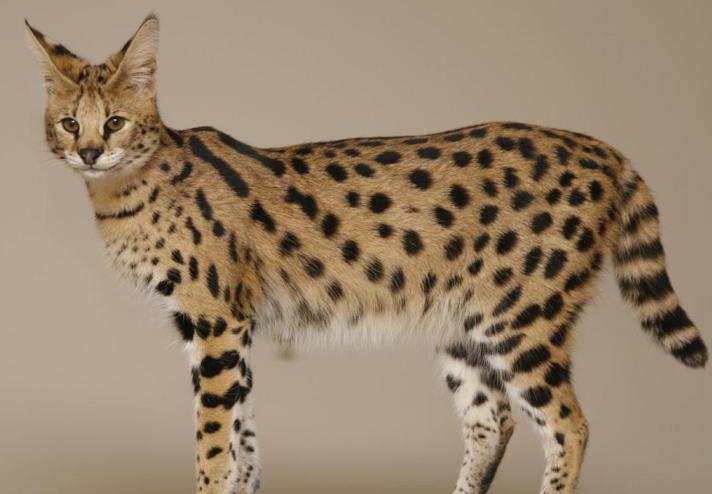
A Cat's use of Touch - Nose Paws Whiskers
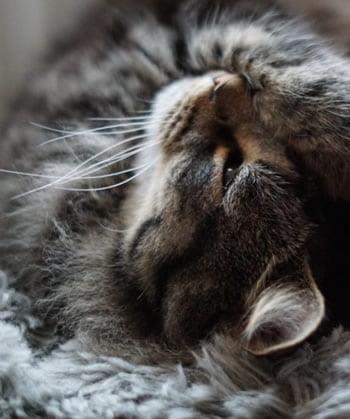
Watch a cat for a few minutes and you will see it touch the world constantly: a nose tapped against a new object, a paw patted at a dangling cord, a set of whiskers reading a doorway before the cat slips through. None of that is fussiness. These are quick, reliable checks that help a cat map distance, texture, movement and risk, which matters most in dim light, cluttered rooms or unfamiliar places. This guide goes through those touches body part by body part, and what they tell you as an owner: when they are normal, when they are communication, and when a sudden change is worth a closer look.1, 2
Why touch matters so much to a cat
A cat's touch system is not limited to skin contact. Much of it is near-touch, sensing vibrations and air movement as the cat moves through space. That information feeds straight into its ability to place feet accurately, judge gaps, and hunt or play with precision.1, 2
The three main tools you will see every day are:
- Whiskers (vibrissae) on the muzzle and also on the forelegs, acting like highly sensitive feelers for nearby obstacles and subtle movement.1, 2
- Paw pads and the skin of the feet, which are particularly sensitive and help with grasping, surface feel and fine foot placement.2
- Facial skin on the cheeks, chin and around the mouth, which is both touch-sensitive and involved in scent-marking when cats rub on people and furniture.5, 6
What the nose is doing
When a cat brings its nose close to something, it is rarely touch alone. Smell does most of the identification work, with the nose and muzzle providing fine-range confirmation of where the object is and whether it is safe to approach. Cats also use close contact to collect scent information from people and other animals.2
The common rub-and-bump behaviours are better understood as a mix of touch and scent communication. Facial rubbing, often called bunting, deposits chemical signals from glands around the face and head, leaving the cat's scent on you or on objects in the home. In multi-cat households it can also contribute to a shared group scent.5, 6, 7
A gentle nose-to-nose greeting between cats is widely described as calm social contact, but it stays situation-dependent. A stiff posture, freezing, or a sudden swat afterwards suggests the contact was not welcome, even if it looked polite at first.5, 7
The role of the paws
Paws are a cat's primary hands. They test surfaces, hook and hold toys or prey, and anchor the body for climbs and jumps. The paw pads are particularly sensitive, which helps with grip and with reading the ground underfoot.2
You will often see deliberate pawing when a cat is:
- checking whether something moves, such as a new object, a dangling cord, or water in a bowl
- adjusting footing before a leap or on a narrow surface
- testing texture or stability, such as slippery tiles versus carpet, a wobbly chair, or a ledge
Kneading, the alternating push with the front paws, commonly appears when a cat is relaxed or settling in. It is normal behaviour, though the claws can come out, so a blanket across your lap saves some skin.8
Whiskers: the quiet sensory array
Whiskers are specialised sensory hairs that work as touch receptors. They are thicker and more deeply rooted than ordinary fur, with a strong nerve supply that lets them detect fine contact and vibration.1, 4
They help cats:
- navigate in low light, detecting nearby obstacles without needing to see them clearly.1
- judge tight spaces, giving practical information about clearance as the cat approaches a gap or opening.1, 9
- fine-tune hunting and play, sensing subtle movement and airflow close to the face and forelegs.2
Because whiskers are wired for precision, handling matters. Do not trim them, and be mindful of setups that force constant whisker contact, for example a very narrow food bowl for a whisker-heavy cat. If your cat suddenly guards its face, avoids being touched, or seems reluctant to eat from its usual bowl, that can signal discomfort worth raising with a vet.
How cats use touch to communicate
Touch between cats is often brief and informative: a rub as they pass, a nose contact, a tail held upright and brushing another cat, or a quick paw tap during play. At home, cats extend some of these signals to people.
Common touch-based signals you will recognise:
- Facial rubbing on you or furniture: scent-marking and social bonding, often seen when a cat is settling into an area or greeting you.5, 6
- Leaning the body against you: close contact that may accompany marking and social affiliation.6, 7
- Gentle pawing: can be an attention request, a play invitation, or simple investigation, depending on the rest of the body language.
Context keeps you honest. A purr does not always mean contentment, and contact is not always an invitation to keep patting, especially if the cat's body stiffens, the tail starts lashing, or the head turns sharply to watch your hand.
Supporting healthy touch at home
Touch gives cats steady information about their world, and that predictability is part of what makes a territory feel safe: familiar paths, familiar surfaces, familiar scent traces. RSPCA Australia notes that scent-marking behaviours such as rubbing and scratching are part of how cats make an environment feel secure, and that constantly removing those marks can be stressful for some cats.10
Practical ways to support it:
- Provide stable climbing routes such as cat trees, shelves and window perches, so your cat can plan foot placement and jumps without improvising on fragile furniture.
- Offer a range of textures such as carpeted posts, sisal and soft bedding, so paw and body contact stays varied and comfortable.
- Let scent-marking happen in appropriate places, like scratching posts and favourite corners, rather than trying to keep every surface pristine.10
Reading body language through touch
Touch behaviours become easier to read when you watch what happens just before and just after the contact. A relaxed cat usually has loose muscles, a soft face and smooth movement. A cat that is unsure often pauses, holds tension through the shoulders, or keeps its weight ready to spring away.
Some touch-linked signs to note:
- Rubbing with cheeks or forehead: commonly social and scent-based, often seen in greetings and when moving through familiar routes in the home.5, 6
- Whiskers pushed forward: can appear during close investigation or play and hunting focus, while whiskers held tight back can go with fear or defensiveness.1
- Sudden intolerance to touch: if a normally touch-tolerant cat starts flinching, hiding or swatting, consider pain, skin issues, dental problems, arthritis or stress triggers, and seek veterinary advice.
The bottom line
A cat's nose, paws and whiskers work as one coordinated sensing system, constantly sampling the world at close range. Some touches are practical, like measuring a gap or checking a surface. Others are communicative, like rubbing to leave a familiar scent or leaning in for brief social contact. Watch those small gestures closely and you start to see the room from a cat's height: edges, air currents, textures and the quiet lines of safe passage.
References
- Encyclopaedia Britannica, Why Do Cats Have Whiskers?
- Encyclopaedia Britannica, Cat behaviour (Touch section)
- The International Cat Association (TICA), Cat's Whiskers
- Encyclopaedia Britannica, Vibrissae
- FOUR PAWS in Australia, How cats communicate
- RSPCA Queensland, How cats show affection (rubbing against you)
- PetMD, Why do cats rub against you?
- RSPCA South Australia, Fun cat facts (kneading and face rubbing)
- Cats International, Whiskers
- RSPCA Australia, Podcast: What to know about keeping cats safe and happy

Dog lover and writer at My Pets Australia, sharing practical breed guides and care advice for Australian pet owners.